Shrimp is one of the most popular seafood choices in the world, appearing in everything from weeknight dinners to special occasion meals. Whether grilled, sautéed, boiled, or added to pasta and soups, shrimp offers versatility and a mild flavor that pairs well with countless ingredients. When shopping for shrimp, however, consumers often encounter two primary options: wild-caught and farm-raised. While both can be enjoyable, they differ in how they are sourced, their flavor, texture, availability, and environmental considerations.
Understanding these differences can help shoppers make informed decisions based on their preferences, cooking plans, and seafood priorities.
How Shrimp Is Harvested
The most significant distinction lies in where the shrimp comes from. Wild caught shrimp is harvested from natural bodies of water such as oceans, bays, and coastal estuaries. Commercial fishing vessels collect shrimp during regulated fishing seasons, following guidelines established to help protect marine populations and support long-term sustainability.
Farm-raised shrimp, on the other hand, is cultivated in managed ponds or aquaculture facilities. These operations are designed to raise shrimp under controlled conditions, allowing producers to supply seafood consistently throughout the year. Advances in aquaculture have improved farming practices, making farm-raised shrimp widely available in grocery stores and seafood markets.
Both harvesting methods serve an important role in meeting consumer demand, but they result in products with distinct characteristics.
Differences in Flavor and Texture
Many seafood enthusiasts notice a difference in taste between the two options. Wild shrimp often develops its flavor naturally from its environment and diet, resulting in a slightly richer, more complex seafood taste. Because these shrimp are active in their natural habitat, they frequently have a firmer texture that holds up well in a variety of cooking methods.
Farm-raised shrimp generally has a milder flavor and a softer texture. Since farming conditions are more controlled, consistency from one batch to another is often easier to achieve. This predictability can make farm-raised shrimp appealing for recipes where uniform size and cooking times are especially important.
Ultimately, flavor preferences vary from person to person. Some home cooks appreciate the subtle sweetness of farm-raised shrimp, while others prefer the naturally robust taste associated with wild harvests.
Availability Throughout the Year
Availability is another factor that separates these two products.
Wild fisheries are often seasonal, with harvest periods influenced by regulations, migration patterns, and environmental conditions. Weather events can also affect fishing schedules, making supply fluctuate throughout the year.
Aquaculture operations are less dependent on seasonal conditions. Because shrimp are raised in controlled environments, production continues year-round, creating a more stable supply chain. This consistent availability often helps retailers maintain inventory regardless of the season.
Consumers looking for a specific size or quantity may find farm-raised shrimp easier to locate during periods when wild harvests are limited.
Environmental Considerations
Sustainability has become an increasingly important consideration for seafood buyers.
Responsible wild fisheries operate under regulations that establish harvest limits, seasonal closures, and monitoring programs intended to maintain healthy shrimp populations. Many fisheries also use gear improvements designed to reduce bycatch and protect marine ecosystems.
Aquaculture has also evolved considerably over the years. Many producers now implement water quality management, disease prevention measures, and environmental monitoring practices to reduce impacts on surrounding ecosystems. Certification programs and responsible farming standards have encouraged continued improvements across the industry.
Consumers interested in sustainability can look for seafood certifications or inquire about sourcing practices when purchasing shrimp.
Nutritional Similarities
From a nutritional standpoint, both options offer many of the same benefits.
Shrimp is naturally high in protein while remaining relatively low in calories and saturated fat. It also provides important nutrients such as selenium, vitamin B12, iodine, phosphorus, and omega-3 fatty acids. These nutrients contribute to normal body functions and make shrimp a nutritious addition to many balanced meals.
Although nutritional values may vary slightly depending on farming methods, diet, and processing, the differences are generally small. Preparation methods often have a greater impact on the overall nutritional profile than whether the shrimp was wild or farm-raised. Grilling, steaming, baking, or sautéing with minimal added fat can help preserve shrimp’s naturally lean qualities.
Choosing the Right Shrimp for Your Needs
The best choice often depends on the recipe and personal preferences.
For seafood dishes where the shrimp is the centerpiece, such as grilled skewers, shrimp cocktails, or garlic butter shrimp, many cooks enjoy the distinctive flavor and firmer bite of wild caught shrimp. Its natural characteristics can stand out in recipes with simple seasonings.
For pasta dishes, stir-fries, casseroles, soups, or recipes that call for larger quantities, farm-raised shrimp offers consistency, broad availability, and dependable sizing. These qualities can simplify meal preparation and provide predictable cooking results.
Regardless of which option is selected, freshness remains one of the most important factors. Purchasing shrimp from reputable seafood suppliers, storing it properly, and cooking it promptly all contribute to better flavor and texture.
Making an Informed Seafood Choice
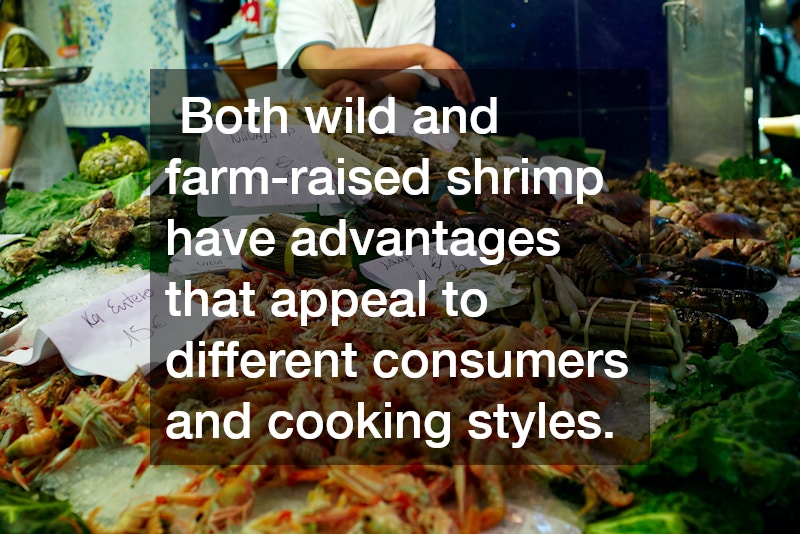
There is no universal answer to which type of shrimp is better. Both wild and farm-raised shrimp have advantages that appeal to different consumers and cooking styles. Flavor preferences, sustainability priorities, availability, and intended recipes all play a role in the decision.
Learning about harvesting methods, production practices, and sourcing allows consumers to make choices that align with their values and culinary goals. Whether preparing a casual family dinner or an elegant seafood meal, selecting high-quality wild caught shrimp or responsibly farm-raised shrimp helps create delicious dishes that showcase one of the ocean’s most versatile ingredients.