
Commercial construction projects live or die by the quality of their initial staging. Before heavy machinery begins excavation or structural steel arrives on flatbed trailers, project leaders must transform raw land or an existing building shell into an organized work environment. A smooth setup minimizes project delays, reduces trade overlaps, and protects workers across every stage of development. Setting up a commercial jobsite requires foresight. It demands clear spatial planning, robust utility connections, and strict safety protocols long before trades step onto the dirt.
When project teams invest time in establishing strong site logistics, they prevent cost overruns and maintain predictable schedules. Site setup is not merely about dropping off a few storage containers and running extension cords across the ground. It involves building a temporary city capable of supporting hundreds of workers, heavy machinery, high-voltage equipment, and continuous deliveries. From securing administrative spaces to coordinating specialized trades, a structured preparation process lays the foundation for building success. This guide breaks down the essential steps for establishing a commercial construction site, focusing on administrative staging, utility distribution, trade integration, material handling, and waste management.
Establishing the Site Command Center and Material Logistics
Every major commercial construction site requires an administrative core where superintendents, project managers, and trade foremen can coordinate daily tasks. Setting up this administrative hub should be one of the first physical tasks completed during site staging. Many contractors rely on a local mobile office trailer to house blueprint tables, communication hardware, and safety orientation spaces right on the property line. Placing this trailer in an easily accessible zone keeps administrative traffic separate from heavy equipment pathways while maintaining clear line-of-sight across the active worksite.
The position of the main office directly influences how materials enter and move through the site. A well-designed site layout features designated drop-off areas adjacent to the administrative trailer. This setup allows superintendents to verify manifests, sign off on bills of lading, and direct material drivers to the correct staging bay without creating traffic bottlenecks at the main access gate.
Effective site setup also relies on dependable material movement strategies. Commercial jobsites require a continuous flow of specialized tools, raw materials, and hardware components throughout the build cycle. Partnering with professional b2b delivery services helps maintain scheduled material drop-offs, ensuring that trades have the necessary supplies without overloading storage yards. When material deliveries arrive on a predictable schedule, subcontractors spend less time waiting for parts and more time completing critical structural work. Site managers should establish clear drop zones for structural steel, lumber, concrete forms, and mechanical equipment. Staging areas must feature compacted soil or gravel pads, proper drainage, and security fencing to protect materials from ground moisture and theft.
Power Infrastructure and Temporary Water Services
Temporary power and water supply form the lifeblood of any active commercial building project. Without stable electricity, basic tools remain silent, safety lighting fails, and administrative operations ground to a halt. Bringing utility infrastructure to a fresh construction site demands specialized coordination with municipal providers and licensed trades long before primary structural assembly begins.
Early in the setup phase, project leaders must hire a certified electrical contractor to design and install the site temporary power grid. This process includes setting up temporary utility poles, mounting transformer units, and running distribution lines to power panels located across key work zones. The electrical infrastructure must handle massive current loads from heavy power tools, temporary cranes, site lighting, and field office climate systems. Proper grounding and ground-fault circuit interrupter protection are non-negotiable requirements to prevent electrical hazards in wet or exposed jobsite conditions.
Simultaneously, establishing temporary water supply and sanitation infrastructure is critical for workforce hygiene and construction processes. Contractors must engage a licensed plumbing service to tie into municipal water mains or install temporary holding tanks. Clean water is necessary for mixing concrete, washing tools, suppressing dust, and supplying portable sanitation trailers. Proper backflow preventers must be installed to protect the public water supply from potential site contamination. Additionally, gray water discharge channels must comply with local environmental standards to prevent runoff into neighboring properties or storm drains. Having a reliable water setup keeps the project compliant with health codes and ensures smooth daily operations across all trades.
Fuel Level Monitoring and Waste Management Systems
Commercial construction sites consume significant quantities of fuel and generate vast amounts of waste material every day. Managing these resources requires structured monitoring systems and reliable disposal routines to keep work areas clean, safe, and operational throughout the project lifecycle.
Fuel management is particularly important on sites utilizing diesel generators, heavy excavators, and temporary climate units. Fuel storage tanks must be placed within secondary containment basins to capture potential spills. To maintain uninterrupted power and prevent unexpected equipment shutdowns, site managers must monitor fuel volume accurately. Installing a mechanical or digital level gauge on primary fuel tanks allows site personnel to track consumption rates in real time and schedule fuel refills before tanks run dry. Accurate fuel tracking keeps generators running continuously, preventing costly downtime for electric tools, heating equipment, and site office facilities.
Alongside fuel management, waste management requires immediate attention during site preparation. Construction activities generate wood scrap, packaging materials, concrete debris, and metal cutoffs that quickly clutter walkways if left unmanaged. Scheduling regular trash removal services prevents debris buildup, reduces fire hazards, and maintains clear emergency evacuation routes. Site managers should place heavy-duty roll-off dumpsters near high-waste work zones, such as framing areas and demolition spots. Separating recyclable materials, such as metal, cardboard, and clean concrete, into designated containers also helps commercial projects meet environmental sustainability targets and lower disposal fees.
Roofing Operations and High-Altitude Envelope Preparation
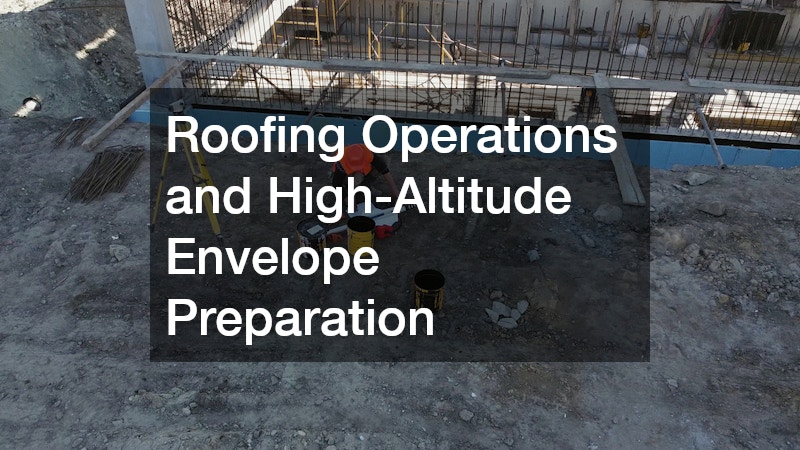
Once structural framing rises, attention shifts toward closing the building envelope to protect internal operations from weather damage. On commercial structures with low-slope or horizontal roof designs, coordinating roof installation requires careful logistics planning and precise sequencing of overhead tasks. Building envelope integrity is fundamental to maintaining project timelines during seasonal transitions.
Working with an experienced flat roofer early in the scheduling process ensures that material deliveries, crane lifts, and membrane installations align with structural readiness. Flat roofing installations involve heavy materials, including insulation boards, polyisocyanurate sheets, asphalt kettles, and synthetic membranes like TPO or EPDM. Staging these materials on the roof deck requires precise structural calculations to avoid overloading temporary decking before permanent structural supports are fully secured.
Site managers must establish designated drop zones on the ground directly below crane staging areas for roofing supplies. Safety perimeters must be set up to prevent ground crews from walking beneath overhead lifts during material hoists. Furthermore, weather monitoring protocols must be strictly enforced during roof installation. Sudden rain or high winds can ruin exposed insulation and create dangerous working conditions for roofing crews operating at height. Closing the roof deck quickly creates a dry interior environment, allowing interior trades to begin electrical wiring, plumbing installations, and drywall hanging without fear of water damage.
Environmental Control and HVAC Coordination
Controlling the internal climate of a commercial building during construction is essential for preserving sensitive building materials. High humidity, freezing temperatures, or excessive heat can warp drywall, damage architectural millwork, and delay paint curing times. Maintaining stable temperature and moisture levels prevents costly material reorders and keeps trade schedules moving forward.
Collaborating with commercial HVAC companies during the site setup phase allows general contractors to plan temporary environmental control strategies. In some cases, temporary heating and cooling units are brought on site to manage climate conditions until the permanent mechanical system is installed. In other scenarios, project managers work with mechanical engineers to commission the building permanent HVAC units early, using specialized filtration setups to protect ductwork from construction dust.
Proper airflow management protects both materials and workers. Temporary ventilation fans must be placed in enclosed spaces where solvents, adhesives, or welding fumes accumulate. Additionally, industrial dehumidifiers are often deployed in concrete curing areas to accelerate drying times without causing surface cracking. Maintaining an optimal indoor environment ensures that interior finishes meet manufacturer warranties and keeps interior trades working comfortably throughout cold winters or humid summers. Having a structured climate plan prevents weather-related downtime and preserves interior quality across every phase of interior fit-out.
Renewable Energy Integration and Solar Infrastructure
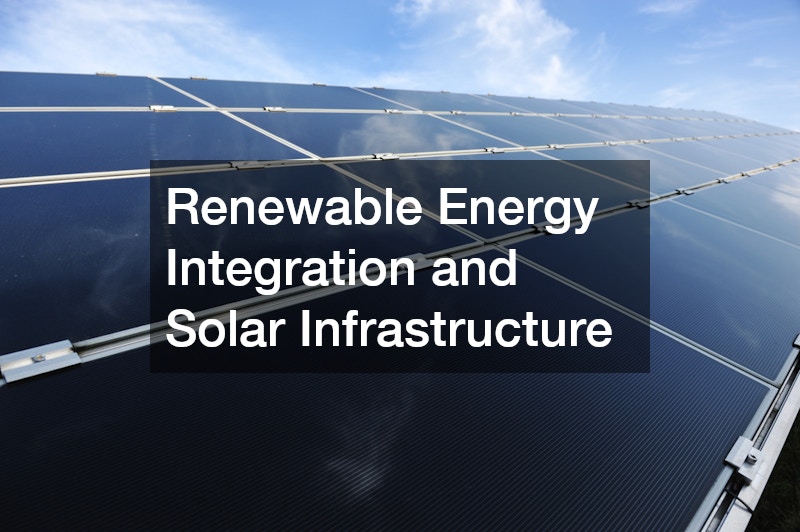
Modern commercial developments increasingly incorporate clean energy systems to reduce long-term operational costs and meet energy sustainability standards. Integrating these systems requires careful coordination during early construction staging to ensure seamless installation alongside traditional utilities. Setting up clean energy systems requires early collaboration between structural, electrical, and roofing specialists.
Engaging a reputable solar provider during project design ensures that structural, electrical, and roofing considerations align with clean energy objectives. Early planning allows engineers to design roof framing capable of supporting ballast weights and solar racking equipment. It also ensures that electrical rooms contain sufficient space for solar inverters, net meters, and disconnect switches without crowding main distribution panels.
When installation day arrives, hiring a certified solar panel installer guarantees that arrays are mounted correctly without compromising roof membranes or electrical safety. Solar installation teams must work in tandem with general electrical crews to execute grid tie-ins and conduct system testing. Integrating clean energy solutions during primary construction rather than retrofitting them later saves substantial capital, streamlines permitting, and reduces disruptions to future building occupants. This proactive approach establishes a reliable energy layout that serves the property for decades.
Site Security, Access Control, and Emergency Planning
A well-planned commercial jobsite must address security, traffic management, and emergency response. Unsecured jobsites face risks of material theft, vandalism, and unauthorized entry, all of which cause expensive project delays and insurance complications.
Installing heavy-duty perimeter fencing with controlled access gates is essential for protecting valuable jobsite assets. Gate locations should accommodate large flatbed trucks, concrete mixers, and emergency vehicles without blocking public roadways or surrounding commercial properties. Security cameras, motion-sensor lighting, and night security personnel help safeguard high-value tools, copper wiring, and specialized machinery during non-working hours.
Emergency readiness requires equal attention during site preparation. Clear emergency vehicle access routes must remain open at all times across the property layout. Fire extinguishers must be placed at regular intervals near high-risk work areas, fuel storage stations, and temporary electrical panels. Site management should conduct regular safety orientations for all trade workers, ensuring everyone understands site rules, muster points, first aid locations, and evacuation procedures. A secure, well-prepared site protects workers and safeguards the financial investment of project stakeholders.
Workflow Optimization and Trade Scheduling Strategies

Managing multiple trade contractors on a busy commercial jobsite demands tight scheduling and clear spatial division. When electricians, plumbers, framers, and painters work in the same space simultaneously, productivity drops and safety risks increase exponentially.
General contractors utilize modern trade scheduling software to map out work zones down to the specific floor or room. Staggering trade shifts reduces overcrowding and allows each team to complete tasks efficiently without physical interference. Daily morning huddles between superintendents and trade foremen help resolve spatial conflicts, review material deliveries, and address safety concerns before work begins each morning.
Material logistics inside the building structure also require organization. Utilizing freight elevators, temporary hoists, and wheeled staging carts keeps floor areas tidy and materials moving smoothly. When materials are stored neatly near active work zones, workers waste less time walking back and forth to ground-level storage yards, significantly boosting daily output and maintaining project momentum.
Jobsite Decommissioning and Final Site Clearance
As the commercial build approaches completion, site management transitions from active construction operations to jobsite cleanup and formal handoff. Decommissioning a jobsite requires the same methodical planning as initial site setup.
Temporary utilities, including site power poles, temporary water connections, and mobile office trailers, must be safely disconnected and removed from the property. Final debris sweeps clear the site of packaging, scrap metal, and excess construction materials. Deep cleaning of interior spaces, windows, and floor surfaces prepares the building for final building inspections and owner occupancy.
Comprehensive documentation, including owner operating manuals, warranty paperwork, and as-built drawings, is assembled and handed over to facility management. A structured decommissioning process leaves a positive lasting impression on project owners and ensures that the finished commercial asset is fully ready for immediate operation.
Summary of Best Practices for Commercial Site Setup
Setting up a commercial construction site is a complex process that demands careful organization, clear communication, and strategic resource allocation. By focusing on administrative readiness, reliable temporary utilities, structured material handling, and proactive waste management, general contractors create an environment where trades can operate safely and efficiently.
Every stage of setup, from positioning administrative trailers to establishing clean energy infrastructure, contributes directly to overall project success. When project leaders prioritize jobsite staging, they minimize operational delays, control construction costs, and maintain high standards of safety across the board.