
When businesses build a facility maintenance budget, most focus on the obvious line items: cleaning, landscaping, and basic repairs. But the real financial surprises usually come from the systems and services no one thinks about until something breaks down or a compliance deadline looms. Overlooking these hidden costs can turn a manageable annual budget into a scramble for emergency funds. This guide walks through the often-forgotten expenses that quietly drain facility budgets, so you can plan ahead instead of reacting under pressure.
Waste Removal and Debris Disposal Planning
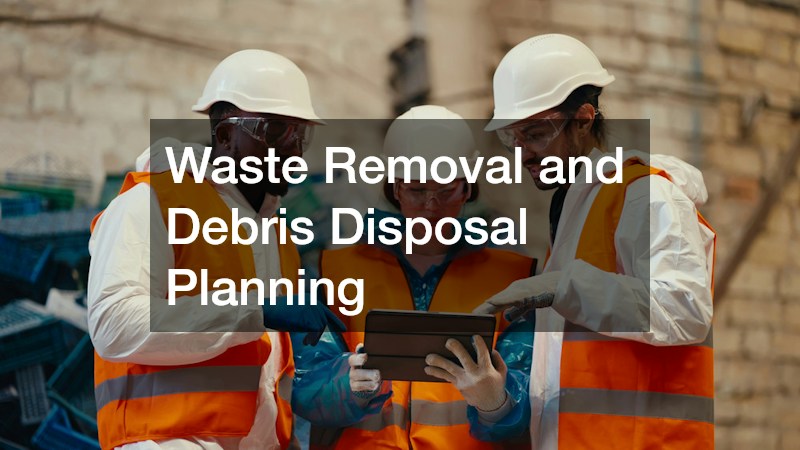
Every facility generates more waste than most managers anticipate, whether from daily operations, seasonal cleanouts, or renovation projects. Budgeting for regular waste hauling is easy to overlook because it feels like a minor recurring cost rather than a strategic line item. When facilities underestimate their disposal needs, they often end up paying premium rates for last-minute service instead of negotiating better terms in advance.
One of the most common oversights involves dumpster rentals for larger cleanup jobs or ongoing debris management. Many businesses assume their regular trash service will cover everything, only to discover extra fees appear once volume exceeds contract limits. Planning ahead for seasonal spikes, such as landscaping debris or packaging waste after a busy sales quarter, helps avoid these surprise charges.
- Request quotes for both short-term and long-term rental options before you need them
- Factor in weight limits, since overage fees can add up quickly
- Ask about same-day or emergency delivery costs in case of unexpected needs
- Compare pricing between local haulers and national waste companies
Underground Plumbing and Septic System Maintenance
Facilities with septic systems face a maintenance responsibility that’s easy to forget until a backup forces an unplanned shutdown. Unlike municipal sewer connections, septic systems require proactive attention, and skipping scheduled service can lead to costly repairs or even environmental fines. Business owners often assume these systems run indefinitely without intervention, which is rarely the case. In reality, most commercial septic tanks need pumping every one to three years, depending on tank size and daily usage volume. A restaurant or gym with heavy water use will need more frequent service than a small office, yet many facility managers apply a one-size-fits-all schedule or skip inspections altogether until something goes wrong. Beyond pumping, drain fields and leach lines also degrade over time, especially when grease, chemicals, or excess water overload the system. Replacing a failed drain field can run anywhere from $5,000 to $20,000, far more than the few hundred dollars a routine inspection would have cost. Underground plumbing lines themselves are also prone to root intrusion and corrosion, problems that stay invisible until a slow drain becomes a full blockage. Regulatory exposure adds another layer of hidden cost. Many jurisdictions require documented septic inspections and can levy fines for system failures that cause groundwater contamination or runoff violations. Budgeting for a basic annual inspection and a realistic pumping schedule is far cheaper than absorbing the cost of emergency excavation, repair crews, and potential regulatory penalties.
Scheduling commercial septic pumping on a consistent basis is one of the most overlooked line items in a facility budget. Depending on the size of the system and daily usage volume, pumping may be needed annually or every few years, and skipping a cycle can shorten the system’s lifespan significantly. A restaurant or medical office with high water usage may need service every 6 to 12 months, while a smaller office building might stretch to every 2 to 3 years. Beyond the pumping itself, facilities managers should budget for periodic tank inspections, drain field assessments, and effluent filter cleaning, since these smaller services catch problems before they become costly repairs. Warning signs like slow drains, gurgling pipes, or wet patches near the drain field often mean a system is already overdue for attention. Ignoring these signals can lead to backups that disrupt operations and require emergency service calls at a premium price. Building this cost into your annual maintenance plan prevents the far larger expense of full system replacement, which can run into the tens of thousands of dollars depending on system size and site conditions. Setting aside a modest reserve fund specifically for underground plumbing and septic upkeep also helps smooth out the unpredictability of when larger repairs might arise.
- Track the last service date and set a reminder for the next pumping, typically every 3-5 years depending on household or facility size
- Watch for warning signs like slow drains, gurgling pipes, or unpleasant odors near the tank area, which often signal a backup before it becomes a costly emergency
- Keep a record of system size, tank capacity, and drain field layout so providers can give accurate quotes without a repeat site visit
- Ask your provider about inspection add-ons during routine visits, such as checking effluent filters, baffles, and float switches
- Budget separately for drain field repairs, since soil saturation or root intrusion can require costly excavation beyond routine pumping
- Note any landscaping or paving changes near the tank, as added weight or roots can damage buried lines over time
Structural Removal and Renovation Costs
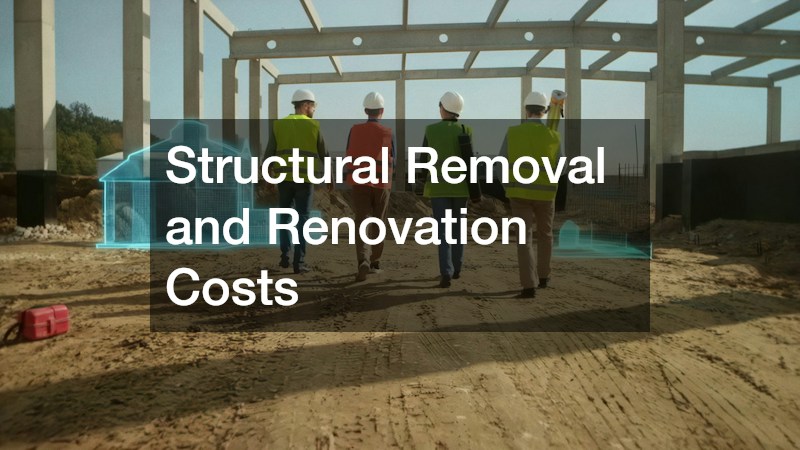
When a facility needs to expand, reconfigure, or retire an aging structure, the cost of tearing something down is often far higher than business owners expect. Structural removal involves more than swinging a wrecking ball; it requires permits, safety planning, and proper material disposal. Skipping these steps to save money upfront usually results in fines or delays that cost even more.
Hiring industrial demolition contractors ensures the work is done safely and in compliance with local regulations, but their services come with variable pricing depending on building size, materials, and site accessibility. Asbestos testing, utility disconnection, and debris hauling can all add unexpected costs to a demolition project. Getting a detailed, itemized quote before committing helps prevent budget overruns partway through the job.
- Confirm whether the quote includes permit acquisition and inspection fees
- Ask about hazardous material testing and remediation costs
- Clarify who is responsible for hauling away debris after the job
- Get timeline estimates in writing to avoid extended labor charges
Climate Control System Upkeep and Replacement
Heating and cooling systems are some of the most expensive assets in any commercial building, yet their maintenance is frequently underfunded. Businesses often budget for basic filter changes but forget about the larger costs tied to aging equipment, refrigerant regulations, and emergency repairs during extreme weather. A system that isn’t serviced regularly tends to fail at the worst possible time.
Working with a reliable heating and air conditioning company for scheduled tune-ups can extend equipment life and reduce the risk of a costly midwinter or midsummer breakdown. Preventive maintenance contracts often cost far less than emergency service calls, yet many facilities skip them to save short-term cash. Over time, this decision tends to backfire, since neglected systems require more frequent and expensive repairs.
- Schedule seasonal inspections before peak heating and cooling months
- Ask about extended warranties on major components like compressors
- Budget for gradual replacement of aging units rather than waiting for failure
- Keep maintenance records to support warranty claims if issues arise
Commercial HVAC Contracts and Long-Term Service Agreements
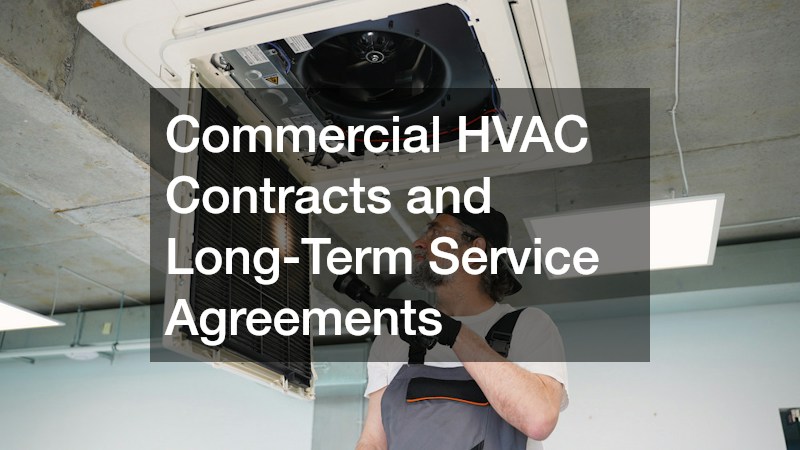
Beyond basic upkeep, many facilities overlook the value of a structured, long-term service agreement for their heating and cooling infrastructure. Ad hoc repairs might seem cheaper in the moment, but they often cost more over a multi-year period than a maintenance contract would. This is especially true for larger facilities with multiple units or zoned systems.
Comparing quotes from several commercial HVAC companies can reveal significant differences in pricing structures, response times, and included services. Some contracts bundle emergency repairs, parts replacement, and priority scheduling, which can be a major advantage during peak seasons when service calls are in high demand. Facilities that negotiate these agreements in advance often avoid the premium pricing that comes with reactive, same-day service requests.
- Request sample contracts to compare coverage details side by side
- Ask whether pricing is locked in for multiple years or subject to change
- Confirm response time guarantees for emergency repairs
- Check whether the agreement covers parts, labor, or both
Outdoor Structure Maintenance and Seasonal Repairs
Outdoor amenities add value to a commercial property, but they also come with maintenance obligations that are easy to underestimate. Wood and composite structures exposed to weather need regular inspection to catch problems before they become safety hazards. Skipping this upkeep can lead to liability issues if a structure fails while in use.
Facilities with outdoor seating areas or elevated walkways often forget that decks require periodic sealing, board replacement, and hardware checks to stay structurally sound. A small budget set aside annually for inspection and minor repairs is far less expensive than a full rebuild after years of neglect. This is particularly important for businesses in climates with heavy rain, snow, or temperature swings that accelerate wear.
- Inspect for loose boards, rusted fasteners, and soft spots each season
- Reseal or restain wood surfaces on a regular schedule
- Check railing stability, especially in high-traffic areas
- Budget for gradual repairs rather than waiting for a full replacement
Accessibility Upgrades and Compliance Requirements

Accessibility compliance is a legal and ethical obligation that many facility budgets underfund until an inspection or complaint forces the issue. Retrofitting a building to meet accessibility standards can involve significant costs, especially if multiple entry points need modification. Waiting until it becomes urgent usually means paying rush pricing for work that could have been planned calmly.
Getting a wheelchair ramp installed is one of the most common accessibility upgrades facilities need, and costs vary widely depending on materials, length, and grading requirements. Businesses that budget for this proactively can choose durable materials and better pricing rather than settling for the fastest available option under time pressure. It’s worth remembering that accessibility upgrades often qualify for tax incentives, which can offset part of the expense.
- Measure the required slope ratio before requesting quotes
- Ask about material options like aluminum, wood, or concrete
- Check local and federal guidelines for compliance specifications
- Look into available tax credits or deductions for accessibility improvements
Data Security and Confidential Record Disposal
Facilities that handle sensitive paperwork often underestimate the cost and effort of secure document disposal. Simply tossing old records in the recycling bin can expose a business to data breaches, identity theft liability, and regulatory penalties. This is a hidden cost that only becomes obvious after a security incident occurs.
Partnering with document shredding companies for scheduled pickups ensures sensitive records are destroyed properly and in compliance with privacy regulations. Many providers offer certificates of destruction, which serve as proof of compliance during audits or legal disputes. Building this recurring service into your budget is far cheaper than dealing with the fallout from a data breach or compliance violation.
- Set a regular pickup schedule based on how much paperwork your facility generates
- Ask whether the service offers locked bins for secure interim storage
- Request certificates of destruction for compliance recordkeeping
- Confirm whether electronic media destruction is included
Relocation and Facility Transition Expenses
Moving a business, whether to a new location or between floors of the same building, involves far more cost than most budgets anticipate. Equipment, furniture, and sensitive machinery all require careful handling, and damage during a move can be expensive to repair or replace. Facilities that plan moves without professional support often underestimate the time and labor involved.
Hiring experienced commercial movers can reduce the risk of damage and downtime, since they understand how to transport specialized equipment safely and efficiently. Getting quotes well in advance allows businesses to compare insurance coverage, labor rates, and scheduling flexibility. A move that’s rushed or poorly planned tends to cost more in lost productivity than the move itself.
- Ask about insurance coverage for damaged or lost items
- Confirm whether packing materials and labor are included in the quote
- Schedule moves during off-peak business hours to reduce disruption
- Get a written inventory list to track items before and after the move
Security Infrastructure and Automated Access Control
Physical security is another area where facility budgets often miss ongoing maintenance needs. Automated entry systems make daily operations more convenient, but they also require periodic servicing to remain reliable and safe. Skipping this maintenance can lead to malfunctioning equipment that either locks employees out or leaves a property vulnerable.
Facilities with automated gate operators need regular inspection of motors, sensors, and safety features to prevent unexpected failures. A malfunctioning gate isn’t just an inconvenience; it can pose a safety risk if it fails to detect an obstruction or closes unexpectedly. Including this equipment in a broader maintenance schedule helps avoid emergency service calls, which typically cost more than routine checkups.
- Test safety sensors monthly to ensure proper obstruction detection
- Lubricate moving parts according to manufacturer recommendations
- Keep a log of service visits and repairs for warranty purposes
- Budget for battery or backup power replacement in case of outages
Facility upkeep involves far more than the obvious costs of cleaning and basic repairs, and the businesses that plan ahead avoid the financial stress of emergency spending. By accounting for these often-overlooked expenses now, you can build a more accurate, resilient budget for the year ahead. Start by reviewing your current maintenance plan against the categories above and identify where gaps exist. Taking a proactive approach today will save your business time, money, and unnecessary stress down the road.