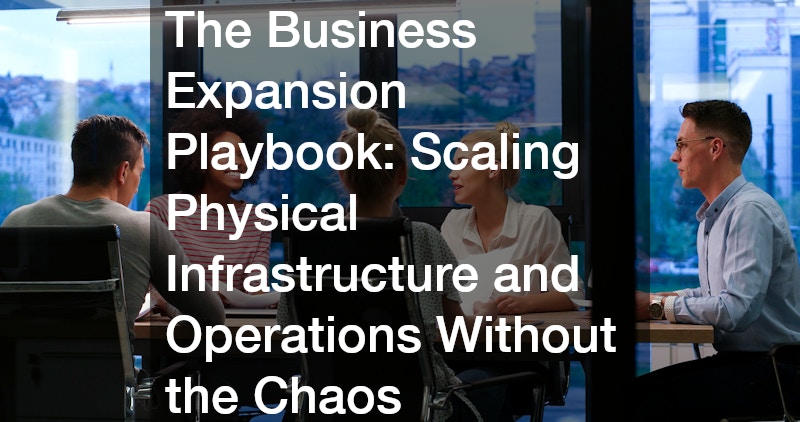
When a business experiences a surge in demand, the instinct of the leadership team is to scale up operations as quickly as possible to capture market share. The primary focus usually centers on increasing sales, boosting production capacity, and securing new customer segments. However, rapid growth frequently exposes deep-seated operational vulnerabilities that were previously hidden in a smaller operation. Scaling a business is not merely a financial or administrative challenge; it is fundamentally a physical one. As an organization expands its physical footprint, the executive team is suddenly confronted with a complex maze of facilities management, regulatory compliance, and infrastructure readiness. Without a strategic, well-documented playbook, this transition can quickly turn into a chaotic scramble that threatens the core stability of the entire enterprise. This strategic manual is designed to help executives navigate these complex physical transitions smoothly.
To scale successfully, businesses must balance their administrative expansion with their physical infrastructure needs. Hiring new personnel, managing payroll across multiple locations, and handling complex labor laws can place a massive strain on an in-house human resources department. To prevent this internal bottleneck from stalling growth, many expanding organizations choose to outsource these complex administrative functions to specialized partners. Partnering with a reliable PEO service allows companies to hand over the burdens of payroll processing, employee benefits administration, and multi-state compliance. This strategic partnership frees up valuable internal leadership resources, allowing managers to redirect their full attention toward preparing, securing, and maintaining the new physical spaces that will house their growing workforce. This administrative alignment ensures that corporate growth proceeds with minimal internal disruption, allowing the leadership team to confidently focus on the logistical realities of setting up and customizing new physical facilities. This proactive step ensures that human resources and physical spaces scale in perfect harmony.
Securing the Perimeter and Managing Outdoor Curb Appeal

The physical preparation of a newly acquired or leased commercial site always begins at the property line. A vacant or newly acquired building represents a significant capital investment, making it a primary target for theft, vandalism, and unauthorized access during the transition phase. Protecting this investment requires a highly proactive approach to security. Before moving valuable office furniture, manufacturing equipment, inventory, or sensitive computer systems into a new location, the boundaries of the property must be secured. A high-quality fence installation remains the most practical and effective way to establish clear property boundaries, control vehicle entry points, and protect the overall corporate asset from potential security breaches. Modern commercial fencing options provide robust security while maintaining a professional, polished appearance that matches the company’s brand identity.
Beyond physical security, the outward appearance of a commercial property plays a crucial role in building trust with clients, partners, and future employees. The exterior of a facility is the very first thing visitors see, and it sets the tone for their entire interaction with the brand. Overgrown lawns, neglected bushes, and unkempt landscaping send a subtle message of disorganization, neglect, and lack of attention to detail. To maintain pristine curb appeal on a large commercial property, operations managers must invest in professional-grade landscaping tools and machinery. Utilizing industrial-grade commercial mowers consistently allows facility maintenance teams to keep large areas of turf neat, healthy, and uniformly cut throughout the changing seasons. This level of meticulous care and regular lawn maintenance not only enhances the visual appeal of the corporate headquarters but also keeps pests away and ensures that outdoor seating areas remain clean, safe, and welcoming for employees during their daily breaks. Establishing this high standard of outdoor maintenance builds a strong sense of pride and professionalism across the workforce.
Inspecting and Fortifying the Building Envelope
With the property boundaries secured and the grounds neatly manicured, the next logical step in the expansion playbook is to inspect the structural integrity of the building itself. The physical envelope of a commercial property is designed to protect valuable indoor assets from harsh weather conditions, but it requires constant vigilance and professional oversight. Among all structural components, the roof is perhaps the most vulnerable to wear and tear over time. This is especially true for older properties that a business might acquire during a rapid expansion phase, where previous maintenance records may be incomplete or nonexistent. A single undetected roof leak can cause catastrophic damage to electrical systems, destroy expensive inventory, compromise ceiling tiles, and disrupt daily business operations for weeks.
Before finalizing any property lease or purchase agreement, operations managers should seek the guidance of a qualified professional who understands the nuances of commercial construction. Contracting a certified commercial roofing expert to perform a comprehensive structural inspection is a critical step in the due diligence process. These specialists can identify underlying structural issues, evaluate drainage systems, and determine the exact remaining life of the roofing material. Regular roof maintenance, such as patching minor punctures, clearing gutters of debris, and applying weatherproofing coatings, helps prevent minor issues from turning into major operational headaches. By proactively addressing roof health and planning long-term structural upkeep, businesses can safeguard their physical assets, avoid unexpected repair costs, and ensure a safe, dry working environment for their growing teams. Ultimately, this structural verification protects the company’s financial bottom line from unforeseen capital expenditures. Establishing this high level of physical protection prevents operational disruptions and guarantees peace of mind.
Optimizing Indoor Climate Control and Air Quality Standards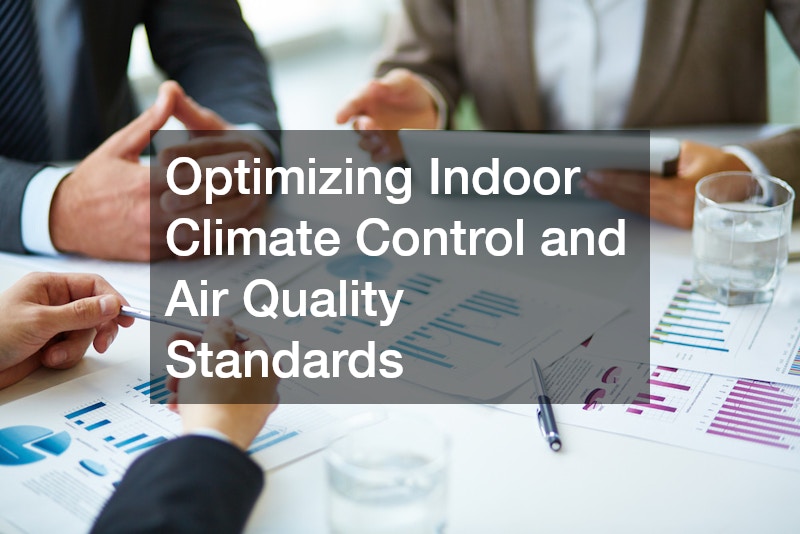
Moving inside the building, the focus shifts to creating a comfortable and healthy interior environment for the workforce. The success of any business depends entirely on the productivity and well-being of its employees. A workspace that suffers from poor temperature regulation or stale, uncirculated air will quickly experience a drop in worker efficiency, rising absenteeism, and low morale. Therefore, establishing a highly reliable and efficient indoor climate control system is a top priority for any facility manager overseeing a corporate expansion.
Managing temperature zones in a large commercial facility requires a deep understanding of thermodynamics and building layout. A modern system for heating and cooling must be capable of balancing the diverse needs of different spaces within the building. For instance, highly sensitive server rooms require continuous, dedicated cooling to prevent hardware from overheating, while main office areas need adjustable, comfortable temperatures that can easily adapt to changing occupancy levels throughout the day.
In addition to temperature management, indoor air quality has become a critical health metric in modern office design. Standard ventilation systems often struggle to filter out fine dust, allergens, and airborne pollutants in high-density work environments. This can lead to a phenomenon known as sick building syndrome, where employees suffer from chronic headaches or respiratory issues. To address this, businesses should consider integrating a specialized custom air filter setup into their existing ventilation systems. These tailored filters improve airflow, reduce energy consumption by decreasing system resistance, and ensure that employees are breathing clean, healthy air every single day. Taking steps to optimize the indoor air quality demonstrates a clear commitment to employee health, which in turn boosts retention, enhances job satisfaction, and improves daily focus while maintaining a positive workplace atmosphere.
Maintaining Climate Systems and Systemic Repairs
Even the most advanced climate control systems will fail without regular oversight and targeted maintenance. Legacy buildings often come with outdated machinery that runs inefficiently or is on the verge of breaking down. To prevent sudden operational shutdowns and uncomfortable working conditions, expanding businesses must establish a rigorous preventative maintenance schedule that addresses mechanical vulnerabilities before they trigger an operational crisis. A proactive approach is always more cost-effective than reactive firefighting, especially during extreme seasonal temperature swings.
When legacy machinery begins to falter, quick intervention is key to preventing system-wide failure. Neglecting minor issues, such as worn fan belts, clogged drainage pans, or leaking coolant lines, can lead to complete compressor failures that paralyze daily operations. Accessing professional HVAC repairs at the first sign of system strain is the most effective way to extend the lifespan of expensive machinery and keep energy bills under control. Relying on certified technicians ensures that repairs are compliant with local building codes, preserving system efficiency and preventing voided warranties.
Proactive maintenance also involves conducting regular performance audits and seasonal tune-ups. These audits help identify system inefficiencies, such as uneven airflow, failing thermostats, or blocked ductwork, which can easily be resolved during scheduled service visits. By addressing these minor adjustments early, facilities can avoid the high costs and logistical headaches associated with sudden system replacements during peak summer or winter months. Keeping the mechanical heart of the building running smoothly ensures that the business can maintain uninterrupted operations and keep energy consumption at predictable, cost-effective levels.
Water Infrastructure and Risk Management
While air quality and climate control are vital for daily comfort, a facility’s plumbing system is the silent engine that keeps the workplace sanitary and compliant. Plumbing infrastructure in commercial buildings is subjected to far greater stress than residential systems. From high-capacity restrooms to complex breakroom lines, cafeteria setups, and industrial drainage, water management requires constant vigilance to prevent costly water waste, structural damage, and health code violations. An unaddressed plumbing issue can quickly spiral into a public relations problem.
Preventative care is the foundation of effective water management. Commercial pipes are prone to mineral buildup, grease accumulation, and joint degradation over time. Partnering with a certified service provider to schedule routine commercial plumbing repair services ensures that main sewer lines are clear, backflow preventers are certified, and high-traffic fixtures remain fully operational. This routine upkeep reduces utility costs by eliminating hidden leaks and protects the property from long-term water damage, ensuring compliance with local health regulations and environmental standards.
Despite the best preventative efforts, sudden plumbing emergencies can still occur at any time. A ruptured water main, a backed-up sewer line, or a failed water heater can halt operations instantly, ruin expensive office assets, and force an unscheduled office closure. To mitigate this risk, facilities managers must establish a reliable contract for emergency plumbing dispatch. Knowing exactly who to call when a pipe bursts in the middle of the night can mean the difference between a minor cleanup and millions of dollars in structural damage. Having a trusted, highly responsive plumbing partner on standby ensures that any crisis is resolved swiftly and professionally, minimizing long-term disruption to business workflow.
Cultivating Workspace Culture and Hospitality
Scaling a business is not only about managing physical structures and machinery; it is also about nurturing the human element. As teams expand and transition into new physical spaces, maintaining a strong, welcoming organizational culture is vital. A seamless return-to-office transition or grand opening event provides an excellent opportunity to align the team, celebrate company milestones, and build strong interpersonal connections among employees who may be working together in person for the first time.
One of the most effective ways to foster a strong sense of community in a new corporate office is through shared meals and culinary experiences. Providing high-quality food on-site eliminates the need for employees to rush out of the building during lunch breaks, naturally encourages cross-departmental collaboration, and shows genuine appreciation for the workforce. Organizing these dining options requires partnering with a professional corporate catering service that can handle diverse dietary needs and scale seamlessly from daily executive lunches to large-scale promotional events. This small investment in employee wellness pays massive dividends in team cohesion, morale, and everyday office culture.
In addition to food services, creating functional social spaces within the new office helps build a vibrant culture. Breakrooms, outdoor patios, and collaboration zones should be designed to encourage spontaneous interactions and relaxed conversations. By combining physically comfortable spaces with premium hospitality, companies can build a workplace environment that employees genuinely look forward to visiting every day.
Implementing the Playbook for Sustainable Long-Term Success
Scaling a business is a monumental achievement, but the process of expanding physical infrastructure and operations requires a delicate balance of strategy, investment, and patience. The organizations that grow without descending into chaos are those that view facilities management not as a series of disconnected chores, but as an integrated, long-term asset management strategy. Every component of the physical workspace, from the security fencing at the property line to the air quality inside the office, plays a direct role in supporting the daily activities of the workforce.
When leadership teams take a proactive approach to physical property maintenance and employee well-being, they build a highly resilient organization capable of weathering any future economic storm. By outsourcing administrative burdens, securing perimeters, verifying structural integrity, and optimizing the indoor climate, businesses can create a safe, stable environment where employees can truly thrive. This holistic approach to scaling ensures that physical growth supports, rather than hinders, the company’s long-term mission and overall market presence.
As the business continues to expand, this playbook should remain a living document, constantly updated to reflect new operational realities and technological advancements. The investment made in preparing and protecting physical infrastructure today will pay dividends in the form of increased productivity, lower maintenance costs, and a stronger, more unified corporate culture tomorrow. Ultimately, a successful expansion is defined not just by a larger building or a higher headcount, but by the seamless, efficient, and harmonious operation of the entire organization and its facilities.