
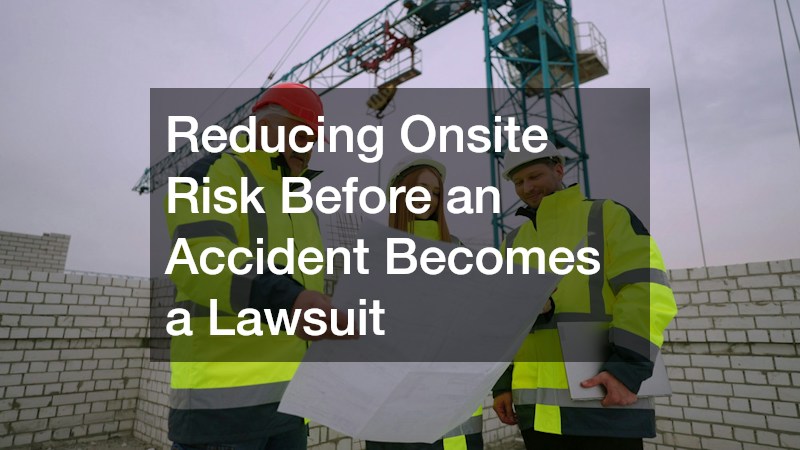
Whether you are hosting a backyard construction project, running a small retail store, or organizing an outdoor event, hazards can hide in plain sight. A single wet floor, loose cord, or unattended pile of debris can turn an ordinary day into a costly legal battle. The good news is that most onsite accidents are preventable with a bit of foresight and the right precautions. This guide walks through practical steps property owners and event organizers can take to reduce risk before someone gets hurt.

Identify Common Hazards Before They Cause Harm
Every property, whether residential or commercial, has its own set of risk factors that can lead to injury if left unaddressed. Walkways, parking lots, stairwells, and storage areas are frequent trouble spots because they see heavy foot traffic and are easy to overlook during routine checks. Taking time to walk the property with fresh eyes, as if you were a visitor instead of the owner, often reveals problems that have become invisible through familiarity. Identifying these issues early is the single most effective way to prevent an incident from ever happening.
Seasonal changes also introduce new hazards that require ongoing attention rather than a one-time fix. Ice and snow in winter, mud and standing water in spring, and loose gravel or uneven ground during construction season all demand different levels of vigilance. Keeping a simple log of hazards spotted and corrected can help demonstrate due diligence if a dispute ever arises later.
- Cracked or uneven pavement near entrances
- Poor lighting in stairwells or parking areas
- Exposed cords or cables across walkways
- Cluttered storage areas blocking emergency exits
- Wet floors without visible warning signs
Plan Sanitation and Facilities for Outdoor Events
Outdoor gatherings, construction sites, and community events bring together large numbers of people who need access to clean, safe facilities. Without adequate planning, crowds can end up using unsafe makeshift arrangements, which increases the chance of slips, falls, or sanitation-related complaints. Arranging a porta potty rental ahead of time is one of the simplest ways to keep guests and workers safe while also meeting local health code requirements. Clean, well-maintained units reduce congestion, prevent unsanitary conditions, and show attendees that safety was genuinely considered.
Facilities planning should also account for accessibility and placement, not just quantity. Units placed too close to food service areas or too far from the main gathering space can create their own hazards, from long lines to uneven ground navigation in the dark. Thinking through logistics in advance protects both guests and organizers from avoidable incidents.
- Place units on stable, level ground away from high-traffic paths
- Ensure adequate lighting near facilities for evening events
- Schedule regular servicing for multi-day events
- Confirm ADA-compliant options are available when needed
Keep Floors and Walking Surfaces Properly Maintained
Slip and fall incidents remain one of the most common causes of onsite injury claims, and they are also among the easiest to prevent. Simple habits, like mopping up spills immediately and using slip-resistant mats in high-moisture areas, go a long way toward reducing risk. Floor maintenance should be treated as an ongoing responsibility rather than something addressed only after a complaint.
Property owners sometimes underestimate how quickly a minor spill or a small puddle near an entrance can lead to a serious injury. Rubber mats, proper drainage, and clearly marked caution signs are inexpensive investments compared to the cost of a lawsuit. Regular staff training on spotting and reporting hazards also helps catch problems before a guest or employee becomes the one to find them the hard way.
- Install slip-resistant flooring in kitchens and entryways
- Use clearly visible wet floor signage during cleaning
- Repair loose tiles or carpeting promptly
- Train staff to report hazards immediately
Document Everything When an Incident Occurs
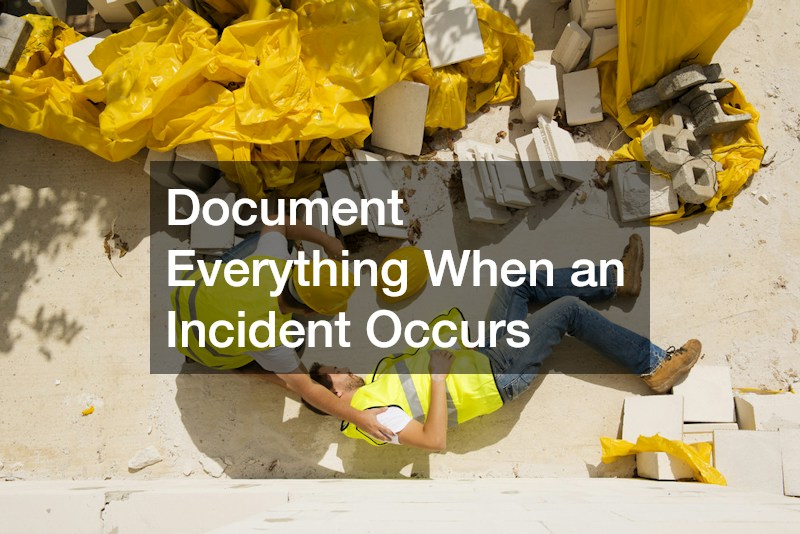
Despite the best prevention efforts, accidents still happen, and how they are documented afterward can make a significant difference in any future dispute. Taking photos of the scene, collecting witness contact information, and writing down the exact sequence of events while memories are fresh are all critical steps. This documentation protects both the injured party and the property owner by creating an accurate record rather than relying on recollection weeks or months later.
Many people do not realize that insurance companies and legal teams will scrutinize these early records closely. Gaps in documentation can be interpreted unfavorably, even when nothing was done wrong. Having a simple incident report template ready before anything happens ensures that staff know exactly what information to gather in the moment.
- Take timestamped photos of the hazard and surrounding area
- Record names and contact details of any witnesses
- Note weather and lighting conditions at the time
- File a written report within 24 hours of the incident
Understand When Legal Advice Becomes Necessary
Not every minor bump or scrape requires legal involvement, but there are clear signs that professional guidance is worth seeking. A scraped knee or a small bruise that resolves on its own is very different from an incident that sends someone to urgent care or results in missed work. The moment medical treatment enters the picture, the situation carries financial and liability implications that go beyond a simple first-aid response. Watch for specific triggers: an injury that requires stitches, imaging, or hospitalization; conflicting accounts of how the incident occurred; a visitor or employee who hints at “getting a lawyer involved”; or any correspondence that looks like a formal demand or claim letter.
Even a single instance of any of these should prompt a call to counsel before responding in writing or offering a settlement on the spot. Consulting personal injury lawyers early can prevent missteps that complicate the situation later, such as admitting fault prematurely, destroying surveillance footage, or giving a recorded statement to an insurance adjuster without guidance. Timing matters too — many jurisdictions have strict deadlines for preserving evidence and filing notices, sometimes as short as 30 to 60 days for certain claims involving government or commercial property. These professionals understand how insurance negotiations work and can help both sides reach a fair resolution without unnecessary escalation. They can also advise on documentation practices, such as incident reports and witness statements, that protect the business if the matter eventually proceeds to litigation.
For injured parties, understanding their rights matters just as much as understanding the property owner’s responsibilities. Someone who slipped on a poorly maintained staircase, tripped over torn carpeting, or fell due to a hazard that was reported but never fixed may have grounds for a claim. Key factors that often determine whether a case has merit include how long the hazard existed before the incident, whether the property owner had actual or constructive knowledge of the danger, and whether reasonable steps were taken to warn visitors or correct the problem.
Documentation plays a major role in these situations. Photos of the hazard, incident reports, witness statements, and medical records from the days immediately following the fall can all strengthen or weaken a potential claim. Even small details, like whether a wet floor sign was present or how much time passed between a maintenance request and the accident, can shift liability significantly. In these situations, working with the best slip and fall attorney available in their area can help clarify what compensation, if any, is reasonable to pursue. This might include medical expenses, lost wages, or pain and suffering, depending on the severity of the injury and the strength of the evidence. An experienced attorney can also help injured parties understand state-specific statutes of limitations, which typically range from one to three years, making early legal consultation especially valuable.
- Seek legal advice if medical bills exceed minor treatment costs (generally anything beyond a basic ER visit or a few physical therapy sessions)
- Consult an attorney if liability is unclear, disputed, or shared between multiple parties, such as a contractor and property owner
- Involve legal counsel if the injured party is an employee, since workers’ comp rules may limit or complicate a direct claim
- Review any settlement offer before signing anything — once accepted, you typically waive the right to pursue further claims
- Watch for lowball early offers made before the full extent of injuries or damages is known
- Keep all correspondence with insurers in writing, including emails and signed letters, to create a clear paper trail
- Avoid giving recorded statements to an insurer’s adjuster without first understanding how the answers could be used

Reduce Risk Around Vehicle and Parking Areas
Parking lots and loading zones are often overlooked when it comes to onsite safety planning, yet they see constant vehicle and pedestrian traffic. Poor sightlines, inadequate signage, and faded lane markings all contribute to collisions that can happen even at low speeds. Clear signage, speed bumps, and designated pedestrian walkways reduce the likelihood of an incident significantly.
When a vehicle collision does occur on a property, the aftermath often involves more than just property damage. Injured parties may need to consult a car accident lawyer to understand their options, particularly if the crash happened due to poor lot design or lack of proper signage. Property owners who take parking lot safety seriously reduce their exposure to these claims considerably, since a well-marked and well-lit lot is far less likely to produce disputes about fault.
- Repaint faded lane and pedestrian markings regularly
- Install mirrors at blind corners and exits
- Add speed bumps in high-traffic vehicle zones
- Ensure adequate nighttime lighting throughout the lot
Review Insurance Coverage and Liability Policies Annually
Many property owners assume their existing insurance policy covers every possible onsite scenario, only to discover gaps after an incident has already occurred. An annual review with an insurance agent or risk management professional can reveal outdated coverage limits or exclusions that leave a property exposed. This is especially important for businesses that have changed their layout, added new equipment, or increased foot traffic since their last policy review.
Beyond basic coverage, it is worth understanding how a policy responds to different types of claims, from minor slip incidents to more serious vehicle collisions on the premises. If a serious crash ever does occur on company property, having already identified the best car crash attorney in the area to call can save valuable time during a stressful situation. Preparation on the insurance side pairs naturally with preparation on the legal side, since both reduce uncertainty when something goes wrong.
- Confirm coverage limits match current property use
- Ask about exclusions for specific hazard types
- Update policies after any major renovation or layout change
- Keep a list of trusted legal contacts on file for emergencies
Reducing onsite risk is not about eliminating every possible hazard, since that is simply not realistic. It is about building consistent habits around inspection, documentation, and preparation so that when something does happen, the response is swift and appropriate. Taking these steps now, before an incident occurs, puts property owners and event organizers in a far stronger position than scrambling to react after the fact. Start with a single walkthrough of your property this week and build from there.