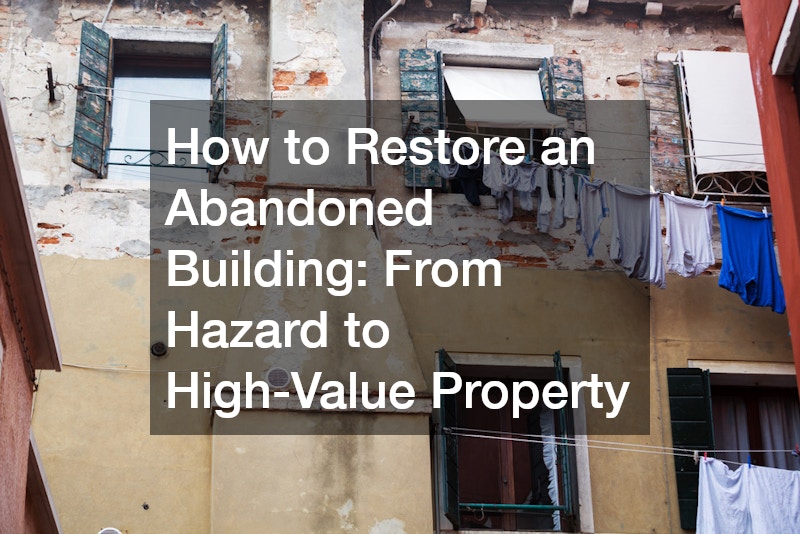
Restoring an abandoned building is one of the most rewarding—and challenging—projects in real estate. What starts as a neglected, unsafe structure can be transformed into a thriving residential or commercial space with the right approach, planning, and professional support. Whether you’re an investor, developer, or property owner, understanding the full scope of work required is essential to turning a liability into a valuable asset.
Below is a comprehensive guide to restoring an abandoned building from the ground up, covering every stage of the process from initial cleanup to long-term management.
Assessing the Condition of the Property
Before any work begins, a full inspection is critical. Abandoned buildings often suffer from years of neglect, vandalism, weather damage, and structural deterioration. You’ll want to evaluate:
- Structural integrity (foundation, walls, and framing)
- Roof condition and potential leaks
- Electrical and plumbing systems
- Presence of hazardous materials
- Water damage and mold growth
- Security vulnerabilities
Hiring inspectors and contractors early helps you identify major risks and budget accurately. Skipping this step can lead to costly surprises later.
Clearing Out Debris and Waste

Most abandoned buildings are filled with debris—old furniture, broken materials, trash, and sometimes hazardous waste. The cleanup phase is the first physical step toward restoration.
Using dumpster rentals allows you to efficiently remove large volumes of waste and keep the site organized. This not only speeds up the process but also creates a safer working environment for contractors.
A clean space makes it easier to assess structural elements and begin repairs without obstruction.
Removing Hazardous Materials Safely
Older buildings often contain dangerous substances such as asbestos, lead paint, or mold. These materials pose serious health risks and must be handled properly.
Professional asbestos abatement ensures that harmful fibers are safely removed and disposed of according to regulations. Attempting to handle hazardous materials or perform asbestos abatement without proper training can lead to contamination and legal issues.
This step is essential before any demolition or renovation work begins, as disturbing hazardous materials without proper containment can spread toxins throughout the property. Typical dumpster rentals may not be effective in removing hazardous waste, but can be a great help nonetheless.
Repairing Structural and Exterior Elements
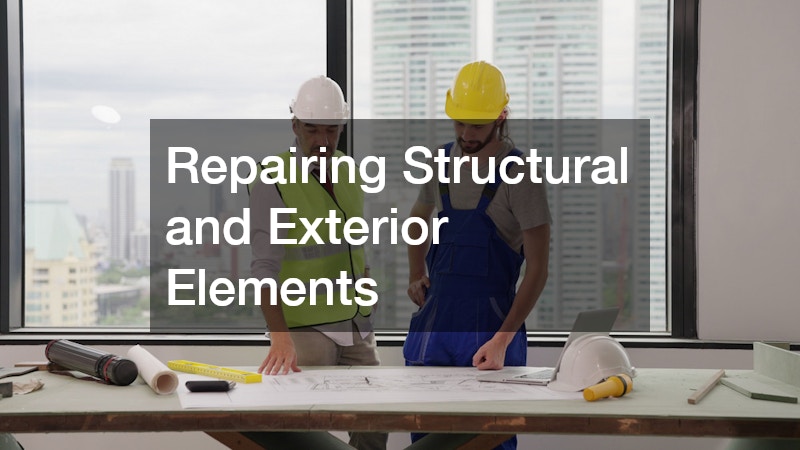
Once the site is cleared and safe, attention turns to the building’s structure. The exterior is your first line of defense against the elements.
Experienced roofers can evaluate damage, replace missing materials, and ensure the building is protected from future leaks. A compromised roof can quickly undo other restoration efforts by allowing water to enter and cause additional damage.
Other structural repairs may include:
- Reinforcing walls and framing
- Repairing or replacing windows and doors
- Addressing foundation issues
Stabilizing the structure creates a solid foundation for all interior work. The services of roofers and other contractors can revitalize a building from the inside out.
Restoring Essential Systems
Abandoned buildings typically have outdated or non-functional systems. Bringing these back online is one of the most critical steps in the restoration process.
Water and Drainage Systems
Broken pipes, leaks, and corrosion are common in neglected properties. Professional plumbing services can repair or replace piping, fixtures, and drainage systems to ensure proper water flow and sanitation.
Upgrading plumbing systems of old buildings with professional plumbing services not only improves functionality but also prevents future issues like leaks and water damage.
Electrical Infrastructure
Old wiring can be dangerous and may not meet current safety codes. A qualified electrical repair service can inspect the system, replace faulty wiring, upgrade panels, and ensure the building is safe and compliant.
Reliable electrical systems are essential for lighting, appliances, and modern technology.
Heating and Cooling Systems
Climate control is often overlooked early on, but it plays a major role in comfort and usability. Addressing AC repairs ensures that the building can maintain a consistent temperature, especially if the property will be used commercially or rented out.
Efficient systems also help reduce long-term energy costs.
Addressing Moisture and Water Damage
Water intrusion is one of the biggest threats to abandoned buildings. Over time, moisture can weaken structural components, promote mold growth, and damage interior finishes.
A basement waterproofer can identify sources of water entry and implement solutions such as:
- Sealing foundation cracks
- Installing drainage systems
- Improving exterior grading
Preventing moisture issues early protects your investment and ensures the longevity of the building.
Improving Safety and Security
Abandoned properties are often targets for vandalism, theft, and unauthorized entry. Securing the building is essential both during and after restoration. Without proper security measures in place, valuable materials, tools, and newly completed work can be damaged or stolen, leading to costly setbacks and delays in the project timeline.
A commercial locksmith can install high-quality locks, access control systems, and secure entry points. This helps protect materials, equipment, and the property itself throughout the renovation process. In addition to traditional locking systems, modern access control solutions—such as keyless entry, keypad systems, or card-based access—can provide greater control over who enters the property and when. This is especially useful for larger projects involving multiple contractors or teams working at different times.
Securing entry points is only part of the solution. Reinforcing doors, repairing broken windows, and ensuring all access areas are properly sealed can further reduce vulnerabilities. Temporary security measures, such as fencing or monitored entry zones, may also be beneficial during active construction phases.
Adding safety and security film to windows provides an extra layer of protection. This film reinforces glass, making it more resistant to breakage and improving overall safety. In addition to deterring break-ins, it can also help protect against accidents and severe weather by preventing shattered glass from spreading inside the building.
Lighting and visibility also play a key role in security. Well-lit exteriors discourage trespassing and make it easier to monitor activity around the property. Installing motion-sensor lighting or surveillance cameras can further enhance protection and provide valuable documentation if incidents occur.
Together, these upgrades create a more secure environment and reduce liability risks. By prioritizing security early in the restoration process, property owners can protect their investment, maintain project momentum, and ensure the building remains safe and controlled from start to finish.
Interior Renovation and Finishing
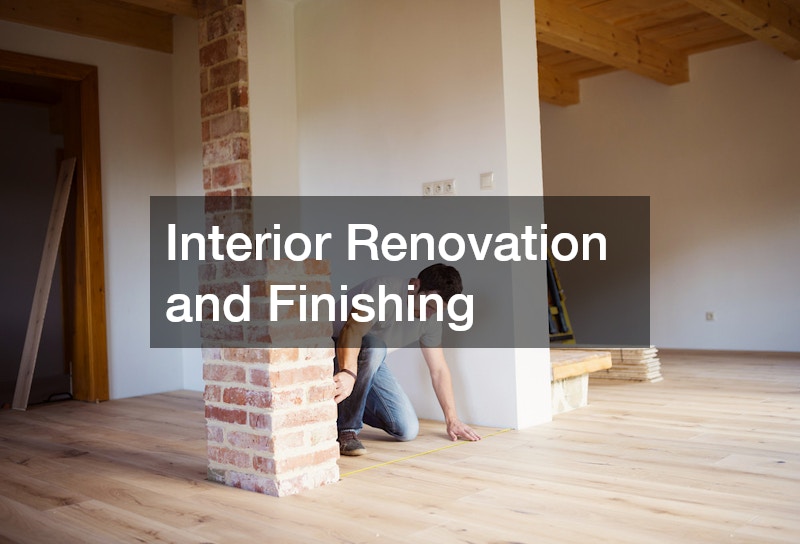
With the structure stabilized and systems restored, the focus shifts to the interior. This is where the transformation truly takes shape. What was once a neglected, possibly unsafe space begins to evolve into something functional, comfortable, and visually appealing. The interior phase is often the most rewarding because progress becomes immediately visible, and the vision for the property starts to come to life.
Interior work may include:
- Installing drywall and insulation
- Painting and finishing surfaces
- Upgrading flooring
- Modernizing kitchens and bathrooms
- Adding lighting and fixtures
In many cases, this stage also involves reconfiguring the layout to better suit modern needs. Walls may be added or removed to create open-concept spaces, improve flow, or maximize usable square footage. For commercial properties, this could mean designing efficient workspaces, customer-facing areas, or adaptable layouts that accommodate multiple tenants.
Material selection plays a major role here as well. Durable, low-maintenance materials are often preferred, especially in high-traffic areas. Choosing the right flooring, cabinetry, and finishes can enhance both aesthetics and longevity. Energy-efficient lighting and appliances can also reduce operating costs while making the space more attractive to environmentally conscious tenants or buyers.
At this stage, it’s important to align the design with the intended use of the property, whether it’s residential, office space, or retail. Each type of space has different expectations, and tailoring the design accordingly can greatly impact usability and marketability. For example, residential spaces may prioritize comfort and storage, while retail environments focus on visibility and customer experience.
Thoughtful design choices can significantly increase the building’s value and appeal. A well-designed interior not only attracts occupants but also creates a lasting impression, helping the property stand out in a competitive market while supporting long-term functionality.
Bringing the Property Up to Code
Building codes and regulations vary by location, but compliance is non-negotiable. Inspections will be required throughout the restoration process to ensure safety and legality. These codes are designed to protect occupants, neighboring properties, and the overall community, making them a critical part of any renovation project—especially when dealing with older or previously abandoned structures.
Common areas of compliance include:
- Electrical and plumbing systems
- Fire safety measures
- Structural integrity
- Accessibility standards
In addition to these core areas, many municipalities also require adherence to energy efficiency standards, zoning regulations, and environmental guidelines. For example, upgrades may need to meet modern energy codes by incorporating insulation improvements, efficient lighting, or updated HVAC systems. Zoning laws can also dictate how the property is used, which is especially important if you’re converting the building from one purpose to another, such as turning an old warehouse into office or retail space.
Permits are typically required before major work begins, and failing to obtain them can result in fines, project delays, or even forced removal of completed work. Throughout the renovation, inspectors may visit the site at different stages to verify that each phase meets code requirements before allowing the project to move forward. This step-by-step approval process helps ensure that no critical issues are overlooked. Whether it be plumbing, drywall, or electrical repair services, the work done must meet local code requirements.
Working with licensed professionals helps ensure that all work meets local requirements and passes inspections without delays. Experienced contractors understand the permitting process, know what inspectors are looking for, and can proactively address potential issues before they become problems. This not only streamlines the project timeline but also provides peace of mind that the restored building is safe, compliant, and ready for long-term use.
Enhancing Curb Appeal
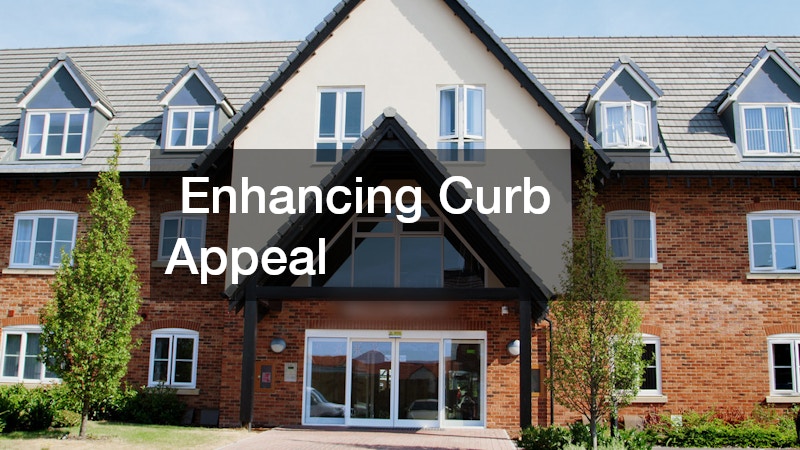
First impressions matter, especially if the property will be sold or leased. Improving the exterior appearance can dramatically increase perceived value.
Consider upgrades such as:
- Landscaping and exterior lighting
- Fresh paint or siding
- Updated signage for commercial properties
- Clean and inviting entryways
A well-maintained exterior signals quality and attracts potential buyers or tenants.
Preparing for Occupancy or Sale
Once renovations are complete, the property is ready for its next phase. Whether you plan to sell, lease, or occupy the building, preparation is key.
This may include:
- Final inspections and certifications
- Marketing the property
- Setting competitive pricing
- Staging the space for showings
A fully restored building offers far greater value than its abandoned counterpart, making it a worthwhile investment.
Managing the Property Long-Term
Restoration is only the beginning. Maintaining the property ensures it continues to generate value over time. Once the building is occupied or operational, the focus shifts from construction to consistency—ensuring that everything continues to function efficiently and that the property remains attractive to tenants, clients, or future buyers.
Professional commercial property management services can handle:
- Tenant relations
- Maintenance and repairs
- Rent collection
- Financial reporting
Beyond these core responsibilities, property management also plays a key role in preserving the long-term integrity of the building. Routine inspections help identify small issues before they become major, costly problems. Preventative maintenance—such as servicing HVAC systems, checking plumbing, and inspecting roofing—can significantly extend the life of the property’s systems and reduce unexpected expenses.
Tenant satisfaction is another critical factor. Prompt communication, quick resolution of maintenance requests, and a well-maintained environment all contribute to higher tenant retention rates. When tenants stay longer, vacancy rates decrease, and the property generates more stable, predictable income.
In addition, experienced management teams stay up to date with local regulations, ensuring the property remains compliant with safety codes, zoning laws, and lease requirements. This reduces legal risks and protects the owner from potential fines or liabilities.
Financial oversight is equally important. Detailed reporting provides insight into operating costs, revenue trends, and overall performance, allowing property owners to make informed decisions about future improvements or investments.
Ultimately, effective management transforms a restored building into a sustainable asset. It ensures that the time, effort, and money invested in the renovation continue to pay off, turning a once-abandoned structure into a reliable and profitable property for years to come.
The Value of a Comprehensive Approach
Restoring an abandoned building requires coordination across multiple trades and services. Each step builds on the previous one, and cutting corners can lead to setbacks.
By addressing cleanup, safety, structural integrity, systems, and long-term management, you create a complete transformation rather than a temporary fix.
Final Thoughts
Turning an abandoned building into a high-value property is no small task, but it’s one of the most impactful ways to revitalize a space. With careful planning, the right professionals, and a clear vision, even the most neglected structures can be brought back to life.
From clearing debris and removing hazards to restoring systems and securing the property, every step plays a role in the final outcome. When done correctly, the result is more than just a renovated building—it’s a renewed opportunity for growth, income, and community improvement.