
Economic development is a multifaceted concept that encompasses the improvement of economic well-being and quality of life for a community or region. It involves policies and programs that aim to create jobs, stimulate growth, and improve living standards. However, economic development goes beyond simple financial metrics; it also includes social and environmental considerations.
Understanding what economic development truly embodies can offer insights into not only how economies grow but also how they can be made sustainable for future generations. This blog post aims to unpack the components and significance of economic development, illustrating its complexities and the pivotal role it plays in shaping societies.
One of the key elements of economic development is job creation. A thriving economy is characterized by the availability of employment opportunities for its citizens. When people are employed, they can contribute to the economy through spending, investing, and paying taxes, which in turn fund public services and infrastructure development. Furthermore, job creation can lead to a more skilled workforce, as workers gain experience and education in their roles. Communities that focus on economic development often invest in training programs and education initiatives to prepare their populations for the jobs of tomorrow, thereby ensuring long-term sustainability.
Another important aspect of economic development is the role it plays in raising the standard of living. This involves not only increasing income levels but also ensuring that individuals have access to quality healthcare, education, and social services. In regions where economic development initiatives are prioritized, we often see improvements in public health, educational attainment, and overall quality of life. For instance, infrastructure improvements such as roads, transportation, and utilities not only facilitate business growth but also enhance daily life for residents. Ultimately, the goal of economic development is to create a conducive environment where individuals can pursue their aspirations and improve their living conditions.
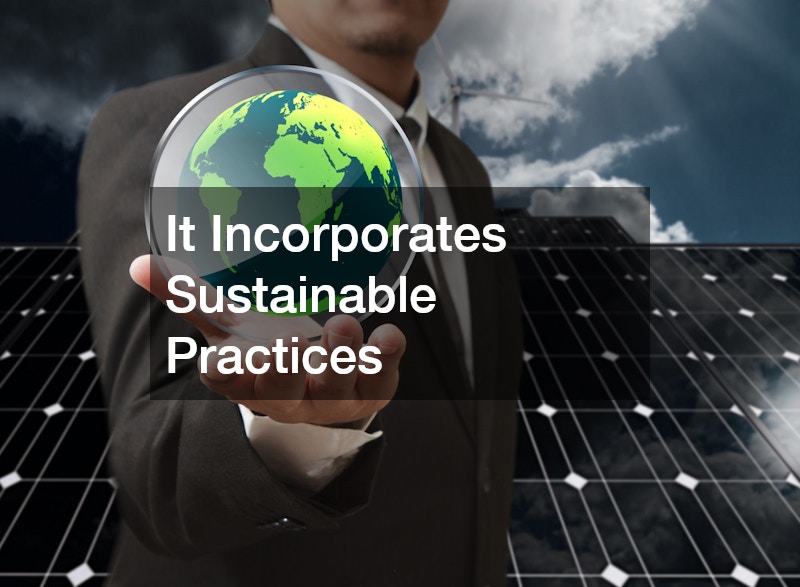
Economic development also incorporates sustainable practices aimed at preserving the environment for future generations. This aligns with the growing recognition that economic growth should not come at the expense of ecological balance. Initiatives like green technologies, renewable energy projects, and sustainable agriculture are gaining traction as essential components of economic development. By investing in sustainable practices, communities can create jobs while effectively addressing climate change and environmental degradation. As both consumers and governments become more eco-conscious, the focus on sustainability in economic development is likely to continue, prompting businesses to adapt and innovate.
Furthermore, economic development plays a crucial role in promoting social equity and inclusivity. This encompasses ensuring that benefits from economic growth are distributed fairly across different segments of the population. Without mindful policy planning, economic growth can often exacerbate inequalities, leaving marginalized groups behind. Therefore, integrative approaches to economic development actively seek to include women, minorities, and the underserved in the economic growth narrative. By fostering inclusive economic practices, communities can not only improve their economic indicators but also build a more cohesive and resilient society where everyone has a stake in the economy’s success.
Finally, the role of government and public policy is indispensable in shaping economic development. Policymakers create the frameworks that govern economic activity; thus, their decisions can directly impact the economic trajectory of a community. Effective economic development strategies are often grounded in collaborative approaches that involve various stakeholders, such as businesses, non-profit organizations, and local residents. These partnerships amplify the effectiveness of economic initiatives, ensuring that they are tailored to the unique needs of the community. Government plays a critical role in fostering these collaborations, establishing regulations that promote fair competition, and providing the necessary support and resources.
In conclusion, economic development is a broad and dynamic concept that transcends mere numbers. It involves a concerted effort to improve job creation, elevate living standards, promote sustainability, ensure social equity, and foster collaboration through effective public policy. As communities around the globe strive for growth, understanding the nuances of economic development becomes increasingly essential. By taking a holistic approach that balances economic, social, and environmental factors, we can work towards not only thriving economies but also healthier, more equitable societies. In doing so, we pave the way for comprehensive progress that benefits all members of the community.