

Returning a purchase can feel simple. You bring the item back, the store approves your return, and you’re told the refund will go back to your credit card. But what actually happens next?
If you’ve ever wondered, how do refunds work on credit cards, you’re not alone. Many people are confused about how long refunds take, how they affect balances, and what happens if you’ve already paid your bill.
In this complete guide, we’ll explain how credit card refunds work, how long they usually take, how they affect your credit card balance, and what steps you can take to manage refunds smoothly.
What Is a Credit Card Refund?
A credit card refund happens when a merchant returns money to your credit card account after a purchase.
Common reasons for refunds include:
- Returning an item
- Canceling a service
- Billing errors
- Overcharges
- Duplicate charges
- Fraudulent transactions
Instead of giving you cash, the merchant sends the money back through the same payment network used for the original transaction.
The refund does not go directly into your bank account. Instead, it appears as a credit on your credit card statement.
Step-by-Step: How Refunds Work on Credit Cards

Understanding the refund process can help reduce confusion.
Here’s what typically happens:
1. You Request a Refund
You return the item or cancel the service. The merchant approves the refund and processes it in their system.
2. The Merchant Sends the Refund
The merchant submits the refund through their payment processor. This is similar to how they processed your original purchase.
3. The Payment Network Processes It
The refund goes through the credit card network (Visa, Mastercard, American Express, or Discover).
4. The Refund Posts to Your Account
Once processed, the refund appears as a negative charge or credit on your account.
This credit reduces your outstanding balance.
How Long Do Credit Card Refunds Take?
Processing times vary depending on several factors.
Typical refund timelines:
- Merchant processing: 1–3 business days
- Payment network processing: 2–5 business days
- Total time: Usually 3–10 business days
Some refunds may appear faster, especially if the merchant processes them immediately. Others may take longer due to weekends, holidays, or banking delays.
Always check your online account regularly for updates.
Why Refunds Sometimes Take Longer
Refund delays can happen for several reasons:
- The merchant has not processed the refund yet
- The refund is pending review
- High transaction volume
- Bank processing delays
- International purchases
- Fraud checks
If a refund hasn’t posted after 10 business days, contact the merchant first. If needed, contact your credit card issuer.
How Refunds Affect Your Credit Card Balance
When a refund posts, it reduces your balance.
For example:
- You charged $300
- You return an item worth $100
- Your new balance becomes $200
The refund acts like a payment.
If you have not yet paid your bill, the refund lowers the amount you owe.
What If You Already Paid Your Credit Card Bill?
This is where confusion often happens.
If you already paid your full statement balance and then receive a refund, your account may show a negative balance.
For example:
- You paid $500
- You later receive a $100 refund
- Your balance becomes -$100
This means the credit card company owes you $100.
If you’re wondering what happens if you overpay your credit card, this situation works the same way. The extra money remains as a credit in your account until you:
- Make new purchases
- Request a refund check
- Wait for the issuer to automatically send a refund
Can You Get a Refund as Cash?
Most merchants require refunds to go back to the original payment method.
If you paid with a credit card, the refund usually must go back to that card.
However, some exceptions include:
- Store credit instead of cash
- Refund to a different card (rare)
- Cash refund for small amounts (store policy dependent)
Always ask about the merchant’s return policy.
What Happens If the Card Is Closed?
If your credit card account is closed but you receive a refund:
- The refund is usually still processed
- The issuer may send you a check
- The credit may be applied to any remaining balance
Contact your card issuer to confirm how the refund will be handled.
How Refunds Affect Minimum Payments
Refunds reduce your balance, which may lower your minimum payment due.
However:
- Refund timing matters
- If the refund posts after your statement closes, it may not affect that cycle’s minimum payment
Always review your statement carefully.
Do Refunds Earn Rewards Points?
In most cases, rewards points earned on the original purchase are reversed when the refund posts.
For example:
- You earn 300 points on a $300 purchase
- You return the item
- The 300 points are deducted
This keeps your rewards balance accurate.
How Refunds Affect Interest
If you carry a balance, refunds reduce the amount on which interest is calculated.
However:
- Interest may have already been charged
- Timing of the refund affects interest savings
Paying your full statement balance each month avoids interest charges entirely.
What If a Refund Never Shows Up?
If your refund does not appear:
- Confirm with the merchant that it was processed.
- Check for confirmation emails.
- Review pending transactions.
- Wait at least 7–10 business days.
- Contact your card issuer if needed.
You may also file a dispute if the merchant refuses to issue a valid refund.
Disputes vs Refunds
A refund is initiated by the merchant.
A dispute is initiated by you through your credit card issuer.
You may file a dispute if:
- You were charged incorrectly
- The merchant refuses a valid return
- You suspect fraud
- You never received the item
Disputes may temporarily credit your account while the investigation continues.
Refunds for Fraudulent Charges
If you notice unauthorized charges:
- Report them immediately
- Your card issuer may remove the charge
- You may receive a provisional credit
Fraud protection policies protect cardholders from liability in most cases.
Refunds on International Purchases
International refunds may take longer due to:
- Currency exchange adjustments
- Cross-border processing
- Foreign bank timelines
You may also notice small differences in refund amounts due to exchange rate changes.
Tips to Manage Credit Card Refunds Smoothly
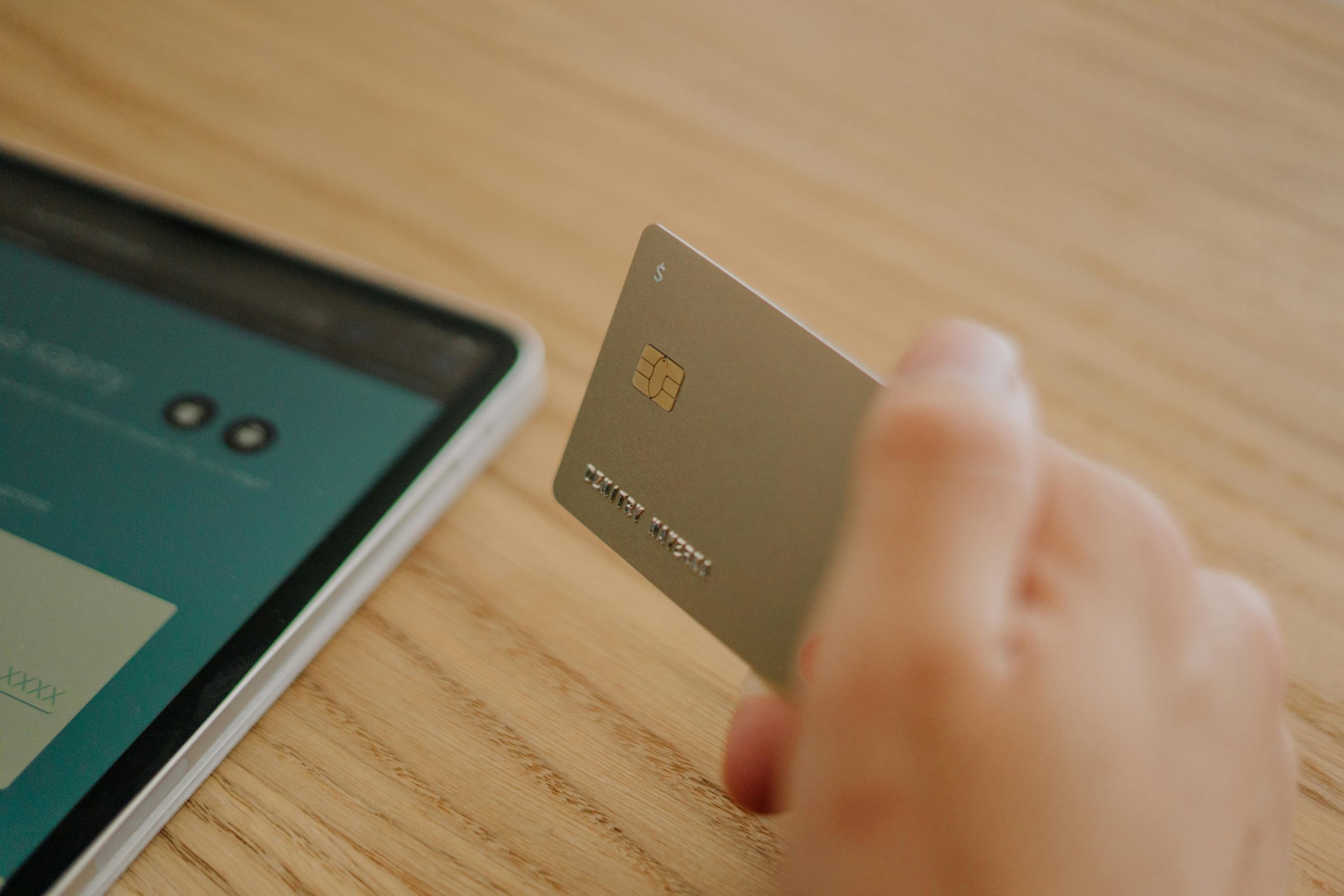
Staying organized helps you track refunds and avoid confusion.
Here are practical tips:
- Keep receipts and confirmation emails
These serve as proof of purchase and refund approval. - Monitor your account regularly
Use online banking apps to check for posted refunds. - Understand store policies
Some stores offer store credit instead of refunds. - Pay attention to billing cycles
Refund timing can affect statement balances. - Set calendar reminders
Follow up if refunds don’t appear within expected timeframes.
Can Refunds Impact Your Credit Score?
Refunds themselves do not harm your credit score.
However:
- Large refunds that create negative balances may slightly affect utilization
- Disputes, if handled properly, do not lower your score
Credit scores are mainly influenced by payment history, utilization, account age, and credit mix.
Final Thoughts: How Do Refunds Work on Credit Cards?
So, how do refunds work on credit cards?
They are processed through the same payment system as purchases and appear as credits on your account. Most refunds take 3–10 business days to complete, though timing varies.
Refunds:
- Lower your balance
- May create a negative balance if you already paid
- Do not hurt your credit score
- Reverse rewards points
- Can be requested as a check if needed
Understanding how refunds work helps you manage your finances confidently. By monitoring your account, tracking purchases, and following up when necessary, you can ensure your refunds are processed correctly.
Knowledge is one of the most powerful financial tools. The more you understand how your credit card works, the better you can protect your money and make informed decisions.