Key takeaways
- Decide whether you’re buying to occupy the space or as an investment, list your must-haves, and set a full budget before you shop.
- Study the location carefully, including access, traffic, nearby businesses, and future development plans.
- Confirm zoning allows your business, and check for unpermitted work, code violations, and ADA compliance.
- Hire a commercial inspector to check the roof, HVAC, structure, plumbing, and electrical systems, and use the findings to negotiate.
- Always get a Phase I Environmental Site Assessment and check flood zones, since contamination cleanup can be very expensive.
- Use comparable sales, net operating income, and cap rate to judge value, and review any leases, the title, and the survey closely.
- Budget for closing costs, renovations with a contingency, ongoing expenses, and future major repairs, and use the due diligence period fully.
Buying commercial property is one of the biggest investments a business owner can make. Whether you’re purchasing a building for your own company or buying property to lease to others, the stakes are high. A great purchase can build wealth and give your business a stable home for years. A poor one can drain your cash, tie you to a bad location, or leave you with costly repairs you never saw coming.
The key to avoiding expensive mistakes is careful evaluation before you sign. Commercial properties are more complex than homes. They come with zoning rules, environmental risks, tenant leases, specialized building systems, and financial details that require a closer look. Taking the time to study each of these areas helps you make a smart, confident decision.
This guide walks you through a step-by-step process for evaluating commercial property, from location and building condition to financial analysis and due diligence. Please note that this article is for general education only and is not financial, tax, or legal advice. Always work with qualified professionals before buying.
1. Define Your Goals and Must-Haves
Before you start touring buildings, get clear on why you’re buying. Are you an owner-user, meaning your business will occupy the property? Or are you an investor, buying a building to rent to other businesses? Your answer changes what you should look for. Owner-users focus on how well the space fits their operations, while investors focus more on rental income, tenant quality, and return on investment.
Next, make a list of must-haves and nice-to-haves. Must-haves might include a minimum square footage, a certain number of parking spaces, loading docks, ceiling height for warehouse racks, or a storefront with good visibility. Nice-to-haves might include extra office space, outdoor areas, or room to expand. Think about your needs not just today, but five to ten years from now.
Set a clear budget that includes the purchase price, closing costs, renovations, and cash reserves. Get pre-qualified with a lender so you know what you can afford and which loan programs fit your situation. Having clear goals and a budget keeps you focused and helps you avoid falling in love with a property that doesn’t truly fit.
- Decide whether you’re buying to occupy the space or as an investment.
- List your must-haves and plan for future growth.
- Set a full budget and get pre-qualified before you shop.
2. Analyze the Location
In commercial real estate, location affects almost everything, from how many customers find you to how easy it is to rent or sell the property later. You can fix up a building, but you can’t move it, so this step deserves careful attention.
Start with access and visibility. How easy is it for customers, employees, and delivery trucks to reach the property? Look at nearby highways, public transit, traffic patterns, and parking. For retail businesses, visibility from the road and steady foot or car traffic can make a big difference. For warehouses or industrial users, access to major roads and space for trucks may matter more. Visit the property at different times of day and on different days of the week to see what traffic and activity are really like.
Next, study the surrounding area. Look at nearby businesses, vacancy rates, crime trends, and population and job growth. Check with your city’s planning department about upcoming projects, like new roads, housing developments, or business centers, that could raise or lower the property’s value. A neighborhood that’s growing can help your investment gain value over time.
- Check access for customers, employees, and deliveries.
- Visit at different times to see real traffic and activity.
- Research nearby businesses, vacancies, and future development plans.
3. Check Zoning, Permits, and Legal Use
A building may look perfect, but if local rules don’t allow your type of business there, it won’t work. Zoning laws control how properties can be used, such as retail, office, industrial, or mixed use. They also set rules for building height, parking, signs, setbacks, and how much of a lot can be covered by buildings.
Contact your local planning or zoning office, or have your attorney or broker request a zoning verification letter. Confirm that your intended use is allowed “by right,” meaning without special approval. If your business would need a special use permit or a variance, find out how long the process takes, how much it costs, and how likely approval is before you commit.
Also check the building’s permit history. Unpermitted additions or renovations can lead to fines, forced repairs, or problems getting insurance and financing. Ask whether the property has any open code violations. Make sure the building meets current fire codes and accessibility requirements under the Americans with Disabilities Act, often called the ADA. Bringing an older building up to code can be expensive, so you’ll want to know about any issues upfront.
- Confirm zoning allows your business before you commit.
- Ask about permits, variances, and how long approvals take.
- Check for unpermitted work, code violations, and ADA compliance.
4. Inspect the Physical Condition
A building’s condition has a direct effect on your costs. Hiring a qualified commercial building inspector, sometimes through a process called a property condition assessment, is one of the best investments you can make before buying. This report looks at the major systems and estimates how long they’ll last and what repairs may be needed.
Pay close attention to the roof, since roof replacements on commercial buildings can be very expensive. Ask about its age, material, and any history of leaks. Have the HVAC system checked for age, capacity, and maintenance records. Look at the building’s structure, including the foundation, walls, and floors, for cracks, settling, or water damage. Plumbing and electrical systems should be inspected to make sure they’re safe, up to code, and able to handle your business’s needs.
Don’t forget the outside. Check the parking lot and sidewalks for cracks and drainage problems, along with lighting, landscaping, and signage. If your business needs special features, like loading docks, high ceilings, heavy power service, or commercial kitchen ventilation, have those specifically evaluated. Use the inspection findings to estimate future repair costs, negotiate a lower price, or ask the seller to make repairs before closing.
- Hire a commercial inspector for a property condition assessment.
- Check the roof, HVAC, structure, plumbing, and electrical systems.
- Use inspection findings to negotiate price or repairs.
5. Review Environmental Risks
Environmental problems are among the costliest surprises in commercial real estate. Under federal and state laws, a property owner can sometimes be held responsible for cleaning up contamination, even if a previous owner caused it. Cleanup can cost tens or even hundreds of thousands of dollars, so this step should never be skipped.
Most lenders require a Phase I Environmental Site Assessment, often called a Phase I ESA, before approving a commercial loan. An environmental professional reviews the property’s history, government records, aerial photos, and nearby sites, and walks the property to look for warning signs. They’re looking for past uses that could have left contamination behind, like gas stations, dry cleaners, auto repair shops, factories, or underground fuel tanks. A Phase I is also an important step in protecting yourself legally as a buyer.
If the Phase I finds possible concerns, the next step is usually a Phase II, which involves testing soil, groundwater, or building materials. Older buildings may also contain asbestos, lead paint, or mold, which can be costly to remove during renovations. Also check flood zone maps from FEMA, since properties in flood zones may need expensive flood insurance and face higher risk of damage.
- Always get a Phase I Environmental Site Assessment before buying.
- Order further testing if the first report finds possible concerns.
- Check for asbestos, lead, mold, and flood zone risks.
6. Run the Numbers: Price, NOI, Cap Rate, and Comps
Once a property passes your basic checks, take a close look at the numbers. Start with comparable sales, often called comps. These are similar properties in the same area that sold recently. Comparing the price per square foot of comps helps you see whether the asking price is fair. A commercial broker or appraiser can pull this data for you.
If the property has tenants or you plan to rent part of it, learn two key terms. Net operating income, or NOI, is the property’s yearly rental income minus its operating expenses, like property taxes, insurance, maintenance, and management. NOI does not include mortgage payments. The capitalization rate, or cap rate, equals NOI divided by the purchase price. For example, if a building earns $80,000 in NOI and costs $1,000,000, its cap rate is 8 percent. Higher cap rates often mean higher returns but may also signal more risk.
For owner-users, compare the total monthly cost of owning, including your mortgage, taxes, insurance, and maintenance, with what you’d pay to lease a similar space. Also review the seller’s records, such as two to three years of operating expenses and utility bills, to make sure the numbers are realistic. An appraisal ordered by your lender will provide an independent estimate of value.
- Use recent comparable sales to judge whether the price is fair.
- Understand NOI and cap rate for any income-producing property.
- Compare the full cost of owning versus leasing similar space.
7. Review Leases, Tenants, Title, and Survey
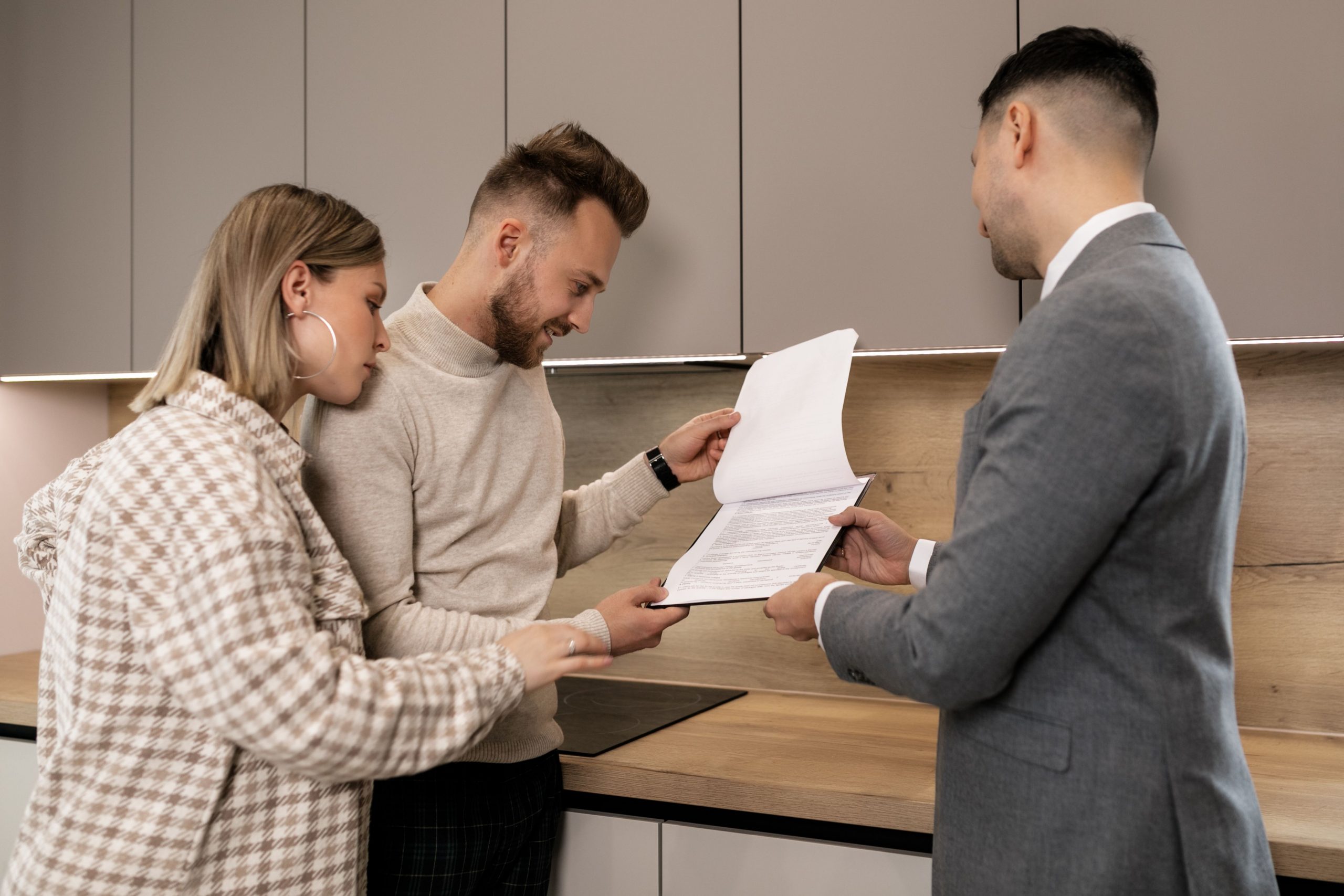
If the property already has tenants, their leases come with the building. That means you need to know exactly what you’re buying. Ask the seller for a rent roll, which lists every tenant, their space, rent, and lease dates. Then read each lease carefully. Look at how long the leases last, when rent increases happen, who pays for taxes and repairs, and whether tenants have special rights, like options to renew or to buy the property.
Check the health of the tenants, too. Ask about their payment history and whether any have been late on rent. A building full of strong, long-term tenants is usually less risky than one with short leases or struggling businesses. Many buyers ask tenants to sign estoppel certificates, which are documents confirming the key terms of their lease and that there are no hidden side deals or disputes.
Finally, review the title and survey. A title search shows who legally owns the property and whether there are liens, unpaid taxes, or easements, which are rights others have to use part of the land, like a utility line. Title insurance protects you if problems show up later. A professional survey confirms the property’s boundaries, building location, and any encroachments, such as a neighbor’s fence on your land.
- Get a rent roll and read every existing lease closely.
- Check tenant payment history and request estoppel certificates.
- Review the title, buy title insurance, and get a property survey.
8. Budget for the Full Picture
Many buyers focus on the purchase price and monthly mortgage, then get caught off guard by everything else. Understanding hidden project costs before you buy can protect your budget and help you avoid a deal that looks good on paper but strains your finances in real life.
Start with closing and due diligence costs. These may include loan fees, appraisal fees, legal fees, title insurance, surveys, inspections, and environmental reports. Together, they can add several percent to the purchase price. Next, estimate any renovation or build-out costs needed to make the space work for your business. Older buildings often hide surprises behind walls and under floors, so ask contractors for detailed quotes and add a contingency of 10 to 20 percent for unexpected issues.
Then look at ongoing costs, including property taxes, insurance, utilities, routine maintenance, landscaping, snow removal, and property management if you hire help. Check whether property taxes might increase after the sale, since some areas reassess value when a property changes hands. Finally, plan for capital expenses, which are big future replacements like the roof, HVAC system, or parking lot. Setting aside money each year for these items helps you avoid scrambling for cash when they wear out.
- Add closing, legal, and inspection costs to your budget.
- Get detailed renovation quotes and include a 10 to 20 percent contingency.
- Plan for ongoing costs, possible tax increases, and future major repairs.
9. Build Your Team and Use the Due Diligence Period
Evaluating commercial property takes many skills, so build a team of experts to help. A commercial real estate broker who represents you as the buyer can find properties, pull comparable sales, and negotiate. A commercial real estate attorney reviews contracts, leases, title, and zoning issues. An accountant or CPA can analyze the financials and explain tax effects. You’ll also need inspectors, an environmental consultant, a surveyor, and a lender who understands commercial loans.
Most commercial purchase agreements include a due diligence period, often 30 to 90 days, depending on the deal. During this time, you can complete inspections, environmental reports, surveys, title review, zoning checks, and financial analysis. If you find serious problems, you can usually renegotiate the price, ask the seller to make repairs, or walk away and get your deposit back, depending on your contract terms. Make sure your contract gives you enough time to finish all your checks.
Stay organized during this period. Create a checklist of every item to review, set deadlines, and assign each task to a team member. Keep copies of all reports and documents. If something doesn’t feel right or the numbers don’t work, don’t be afraid to walk away. There will always be other properties, and avoiding a bad deal is just as valuable as finding a good one.
- Build a team that includes a broker, attorney, CPA, inspectors, and lender.
- Use the due diligence period to complete all reviews before closing.
- Stay organized with a checklist, and be willing to walk away.
Conclusion
Evaluating commercial property before you buy takes time and effort, but it’s one of the best ways to protect your business and your money. Start by defining your goals and budget, then take a close look at the location, zoning, building condition, and environmental risks. Each of these areas can reveal problems that are much cheaper to discover now than after closing.
The numbers matter just as much as the building itself. Compare recent sales, understand key measures like net operating income and cap rate, review any existing leases and tenants, and confirm a clean title and survey. Build a complete budget that includes closing costs, renovations, ongoing expenses, and future major repairs.
You don’t have to do this alone. A strong team of professionals and a well-planned due diligence period will help you make a confident, informed decision. Take your time, ask questions, and be ready to walk away if a property doesn’t measure up. The right building, at the right price, can support your business for many years to come.