
Employee satisfaction is one of the most important drivers of long-term business success. Engaged and happy employees are not only more productive and creative, but they are also more loyal, which directly contributes to improved efficiency, lower turnover, and a stronger bottom line. Yet many business owners focus primarily on high-level benefits or perks, overlooking the subtle but highly impactful ways that the everyday workplace experience can be enhanced. Small changes in processes, communication, and the physical work environment can significantly influence how employees feel about their jobs.
Optimizing financial processes, for example, ensures that payroll, bonuses, and expense reimbursements are accurate and timely, which reduces stress and builds trust. Upgrading the work environment through ergonomic furniture, well-lit spaces, or flexible seating can make daily routines more comfortable and enjoyable. Fostering open communication and regular feedback helps employees feel heard and valued, creating a culture of transparency and collaboration.
This article explores ten actionable approaches that any organization can implement to boost employee satisfaction, from improving operational efficiency to cultivating a positive culture and enhancing professional development opportunities. Each strategy is designed to make a meaningful difference in how employees experience their workplace, ultimately leading to stronger engagement, higher morale, and measurable business results.
Streamline Financial Processes for Peace of Mind

Managing personal finances alongside professional responsibilities can be a significant source of stress for employees. A business that simplifies financial processes communicates care and reduces unnecessary pressure. Partnering with a professional accountant ensures that payroll, reimbursements, and tax-related matters are handled accurately and efficiently. Employees gain confidence knowing that their compensation and benefits are calculated correctly and on time.
Transparent communication about financial policies is also essential. Employees should clearly understand how expense reimbursement works, what documentation is required, and the expected timeline for approvals. When financial procedures are consistent and predictable, employees are less likely to experience stress related to uncertainty.
Business owners can also provide financial literacy resources or workshops to help staff manage personal finances more effectively. Even simple initiatives like quarterly financial check-ins or a dedicated point of contact for payroll questions can foster a sense of security. Ultimately, taking the time to manage financial operations thoughtfully not only improves efficiency but also strengthens trust and overall satisfaction within the workforce.
Make Commuting Stress-Free
Daily commutes can take a significant toll on employee well-being, energy levels, and overall productivity. Long or unpredictable travel can contribute to stress, fatigue, and lower engagement throughout the workday. Providing thoughtful support for commuting challenges demonstrates that a business values employees’ time, comfort, and work-life balance. Employers can consider the following strategies:
-
Offering corporate transport services or partnering with local shuttle providers to reduce commuting stress and create a reliable, convenient option for employees.
-
Subsidizing public transportation passes or ride-sharing options to make travel more affordable, environmentally friendly, and flexible for various schedules.
-
Implementing flexible work hours or hybrid schedules so employees can avoid peak traffic times and maintain a healthier daily routine.
-
Creating a carpool program to foster connections among employees, reduce transportation costs, and promote team-building outside the office environment.
Reducing commuting-related stress not only improves punctuality but also helps decrease absenteeism. Employees who arrive at work feeling relaxed and on time are more likely to be focused, productive, and engaged throughout the day. By investing in practical commuting solutions, businesses can enhance overall employee satisfaction, strengthen workplace morale, and ultimately boost operational efficiency and team performance.
Improve Workplace Safety and Accessibility
A secure and navigable work environment is foundational to employee satisfaction. Safety measures not only prevent accidents but also signal that the company prioritizes employee well-being. Investing in proper sign installation helps staff easily identify exits, work zones, and safety equipment, which can be particularly important in larger or complex facilities. Clear and consistent signage reduces confusion and creates a sense of order.
Security fencing can be another crucial investment, particularly for businesses located in areas with high traffic or near sensitive operations. A well-designed fence protects both employees and company property while providing peace of mind during work hours.
Beyond physical infrastructure, it’s important for management to communicate safety protocols and emergency procedures clearly. Regular training sessions, safety drills, and easily accessible informational materials demonstrate a proactive approach. Employees who feel secure in their environment are more likely to be engaged, motivated, and focused on their tasks rather than worrying about potential hazards.
Offer Comprehensive Health Benefits

Providing employees with a robust health insurance plan is a direct way to enhance satisfaction and demonstrate that their well-being is valued. Business owners can take the following steps to maximize the impact of health benefits:
-
Review and update the insurance plan annually to ensure coverage aligns with employee needs.
-
Include preventative care services and wellness programs to encourage long-term health.
-
Offer mental health resources, such as counseling or stress management support, as part of the benefits package.
-
Provide clear guidance on how to access health services and navigate insurance claims.
Health benefits reduce financial anxiety related to medical expenses and provide employees with confidence that they have support during unexpected health issues. When employees know their employer prioritizes their health, it fosters loyalty, reduces turnover, and encourages engagement in their work. Businesses that take a comprehensive, thoughtful approach to health coverage often see measurable improvements in overall satisfaction and morale.
Create Break Spaces That Encourage Relaxation
Rest and rejuvenation are often overlooked but essential components of employee satisfaction. Establishing dedicated spaces where employees can unwind not only supports mental well-being but also enhances productivity, creativity, and overall engagement. An entertainment center or designated relaxation area within the workplace provides a safe and inviting environment for staff to step away from their daily tasks and recharge. These spaces can include multimedia setups, tabletop games, reading nooks, or quiet lounges designed for meditation, reflection, or short naps.
It’s important to design these areas thoughtfully so they are easily accessible without disrupting workflows. Encouraging employees to take regular breaks fosters a culture that values balance, reduces stress, and helps prevent burnout. Even brief periods of relaxation can boost focus, improve problem-solving abilities, and enhance team collaboration.
Offering a mix of active and quiet options ensures that all employees can find a space that suits their needs and preferences. When staff feel supported both professionally and personally, they are more likely to remain engaged, loyal, and committed to the organization’s goals, contributing to a positive and productive workplace culture overall.
Enhance the Work Environment with Thoughtful Landscaping
A pleasant and well-maintained physical environment can have a significant psychological effect on employees. Utilizing a landscaping service can transform outdoor areas into inviting spaces for relaxation or informal meetings. Consider the following approaches:
-
Design outdoor seating areas or gardens where employees can eat lunch or take breaks.
-
Create walking paths or green spaces that encourage movement and reduce stress.
-
Use plants and greenery inside office spaces to improve air quality and aesthetics.
-
Maintain seasonal plantings and clean common areas to promote a positive visual experience.
Green spaces not only improve mental well-being but can also foster social interactions and team cohesion. Employees who have access to thoughtfully designed outdoor environments often report higher levels of satisfaction and reduced stress, contributing to a more engaged and productive workforce.
Protect Data and Build Trust

In today’s increasingly digital workplace, employees are naturally concerned about the security of both their personal and professional information. Implementing comprehensive IT security not only protects sensitive data but also reassures staff that their workplace takes privacy and security seriously. Strong protocols such as encrypted communications, multi-factor authentication, secure file storage, and regular software updates help prevent cyber breaches that could disrupt workflows, compromise confidential information, and erode trust between employees and management.
Equally important is employee training. Staff should be educated on best practices for handling data, identifying phishing attempts, maintaining strong password security, and reporting suspicious activity. Providing ongoing guidance through workshops, tutorials, or internal communications ensures employees stay informed and confident in their ability to navigate digital systems safely.
When employees feel assured that their digital environment is secure, they can focus more fully on their work without distraction or anxiety. Cultivating a culture of cybersecurity fosters accountability, professionalism, and peace of mind, creating an overall sense of security that contributes positively to workplace satisfaction, trust, and employee retention.
Equip Employees With Reliable Tools
Providing employees with reliable and safe equipment demonstrates a strong commitment to both their productivity and overall well-being. For staff working in high-risk environments, an intrinsically safe portable device is critical to minimizing hazards while supporting efficient operations. Consider implementing the following measures:
-
Conduct regular assessments of equipment needs to ensure employees have access to safe, high-performing devices that match the demands of their roles.
-
Train staff on proper usage, maintenance, and troubleshooting to prevent accidents, reduce downtime, and extend the lifespan of equipment.
-
Maintain an organized inventory system to track devices, repairs, and replacements efficiently, ensuring resources are available when needed.
-
Integrate new technology gradually, giving employees time to adapt, provide feedback, and suggest improvements for smoother implementation.
When employees are equipped with tools that allow them to perform their duties safely and efficiently, satisfaction and engagement naturally increase. Reliable equipment minimizes frustration, enhances operational efficiency, and conveys that management prioritizes both employee safety and performance. Over time, these practices help cultivate a workforce that feels supported, valued, and motivated to deliver their best work.
Manage Workforce Needs Flexibly
Balancing workloads is a critical factor in maintaining employee satisfaction and preventing burnout. Contract staffing can be an effective strategy for businesses to adjust to fluctuating demands without overburdening permanent employees. By strategically combining full-time staff with contract or temporary workers, companies can meet operational goals, manage peak periods, and ensure that their core team maintains a sustainable pace. This approach allows permanent employees to focus on high-priority projects without feeling overwhelmed by sudden increases in workload.
Transparency in workforce planning is essential for making this strategy effective. Employees should understand the rationale for using contract staff, including how it supports business objectives and protects team well-being. Communicating these decisions openly can help staff feel included and respected, rather than sidelined or replaced.
When implemented thoughtfully, flexibility in staffing prevents burnout, maintains morale, and ensures employees do not feel overstretched or undervalued. Regular check-ins, workload assessments, and open communication channels further reinforce management’s attentiveness, fostering a sense of support and collaboration that directly contributes to overall satisfaction, engagement, and long-term retention.
Regularly Gather Feedback and Act on It
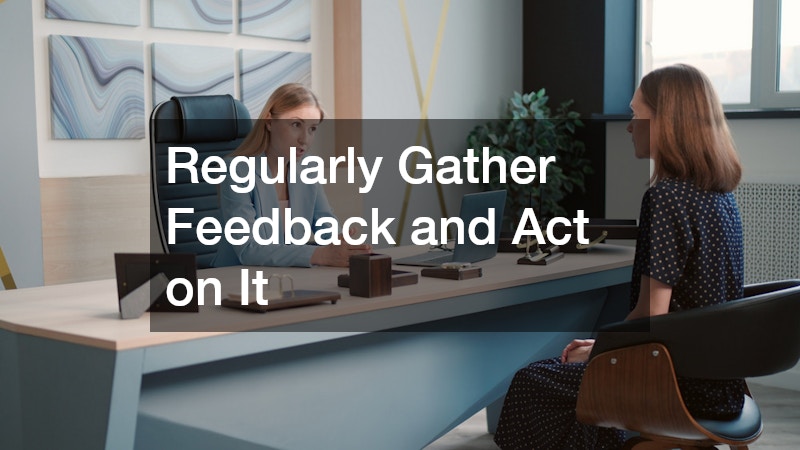
Employee feedback is one of the most powerful tools for improving workplace satisfaction and driving continuous improvement. When employees feel their voices are heard, it strengthens trust, engagement, and loyalty. Businesses can implement several practices to ensure feedback is collected, acknowledged, and acted upon:
-
Conduct anonymous surveys to gather honest opinions on company policies, management practices, workplace culture, and overall job satisfaction.
-
Establish suggestion boxes or digital portals for ongoing input, allowing employees to share ideas or concerns at any time.
-
Organize regular team meetings to discuss feedback, outline action plans, and track progress on previously raised issues.
-
Publicly acknowledge implemented suggestions to show employees that their input is valued and has a tangible impact.
Actively acting on employee feedback demonstrates that management respects their perspectives and takes concerns seriously. It fosters a culture of transparency, accountability, and inclusion, which directly strengthens engagement and morale. Employees who feel genuinely heard are more likely to contribute innovative ideas, take ownership of projects, and remain committed to the organization over the long term. Additionally, creating visible systems for feedback encourages continuous dialogue, allowing companies to adapt proactively to changing needs and maintain a positive, dynamic workplace environment.
Improving employee satisfaction requires a holistic approach that addresses financial, physical, and emotional needs. From streamlining payroll to creating relaxing environments, investing in employee well-being yields tangible benefits for both staff and business outcomes. Thoughtful, proactive strategies such as flexible commuting options, comprehensive health coverage, safe and aesthetically pleasing workplaces, reliable tools, and meaningful feedback mechanisms contribute to a positive workplace culture. By taking deliberate steps to enhance satisfaction, business owners can foster loyalty, engagement, and productivity, ensuring long-term success and a thriving workforce.